
Introduction
Japanese food is loved around the world for its fresh ingredients, balanced flavors, beautiful presentation, and simple cooking style. From sushi and ramen to tempura, udon, and Japanese curry, the cuisine offers a wide range of dishes for different tastes.
Japanese cooking is not only about flavor. It also reflects Japanese culture, traditions, seasons, and respect for ingredients. Many dishes are prepared with care so that the natural taste of the food can shine.
In this guide, we will explore Japanese food, its popular dishes, traditional ingredients, cooking styles, and why Japanese cuisine has become so popular around the world.
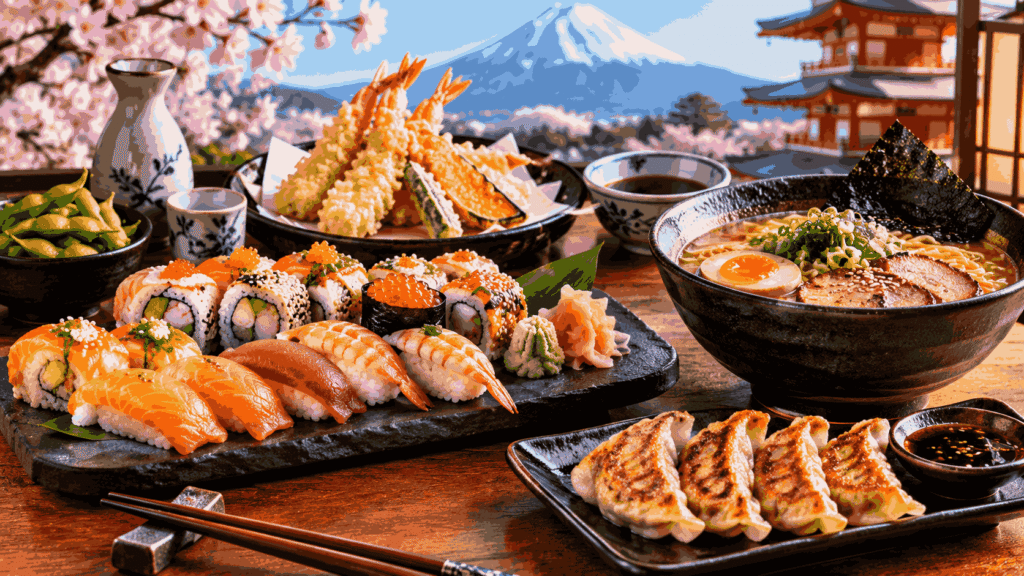
What Is Japanese Food?
Japanese food, also known as Japanese cuisine, includes a wide variety of traditional and modern dishes from Japan. Rice, noodles, seafood, vegetables, soy products, and seasonal ingredients are commonly used in Japanese cooking.
One of the most interesting things about Japanese cuisine is its balance. A meal may include different flavors and textures without becoming too heavy. Fresh ingredients and simple seasonings are often enough to create a delicious dish.
Japanese food can be light and refreshing, warm and comforting, crispy, savory, or even slightly sweet. This variety makes it easy for people to find dishes they enjoy.
What Makes Japanese Food Special?
Japanese food is special because it combines taste, simplicity, freshness, and presentation. Instead of using too many strong spices, many Japanese dishes allow the main ingredients to stand out.
Fresh seafood, vegetables, rice, noodles, tofu, and carefully prepared sauces are important parts of the cuisine. Cooking methods such as grilling, steaming, simmering, frying, and raw preparation are also commonly used.
Presentation is another important part of Japanese food. Food is often arranged neatly, with attention given to colors, shapes, and textures.
Japanese cuisine also changes with the seasons. Seasonal vegetables, seafood, and other ingredients are often used to create meals that feel connected to the time of year.
Popular Japanese Foods
Japanese cuisine has many famous dishes that have become popular outside Japan. Some are traditional favorites, while others have been adapted in different countries.
Here are some of the most popular Japanese foods to try.
Sushi
Sushi is one of the best-known Japanese foods around the world. It commonly combines vinegared rice with ingredients such as seafood, vegetables, or egg.
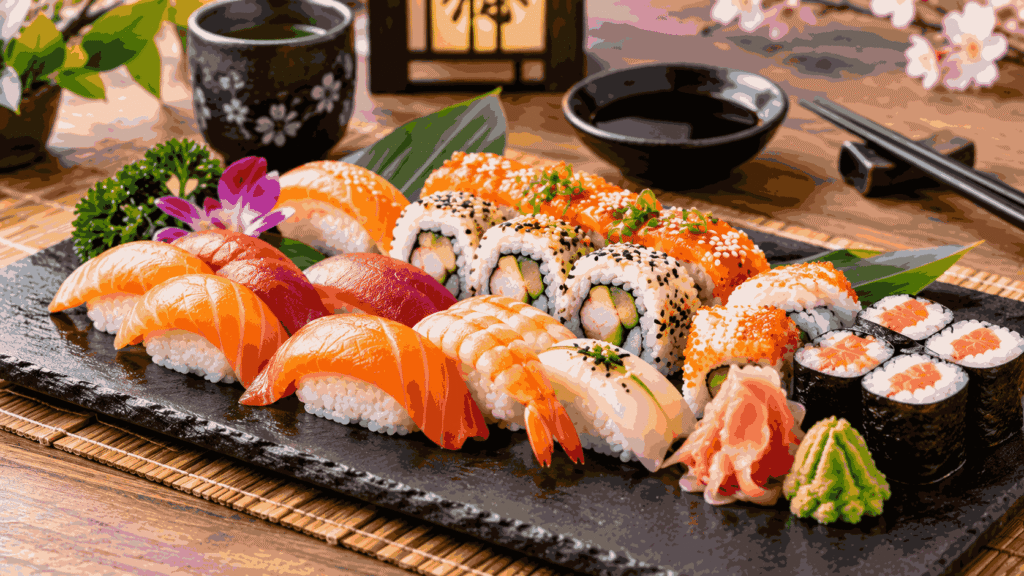
There are many types of sushi, including rolls, nigiri, and sashimi-style preparations. Sushi can be simple or beautifully detailed, depending on the ingredients and preparation.
For many people, sushi is an introduction to Japanese cuisine.
Ramen
Ramen is a comforting Japanese noodle dish served in a flavorful broth. Depending on the style, the broth may be based on soy sauce, miso, salt, or other ingredients.
A bowl of ramen can include noodles, vegetables, egg, meat, seafood, or other toppings.
Ramen is especially popular because it is warm, filling, and available in many different styles.
Tempura
Tempura is made by lightly coating ingredients in batter and frying them until they become crisp.
Common tempura ingredients include shrimp, fish, mushrooms, sweet potatoes, and other vegetables.
Good tempura has a light and crispy texture without making the ingredients feel too heavy.
Udon
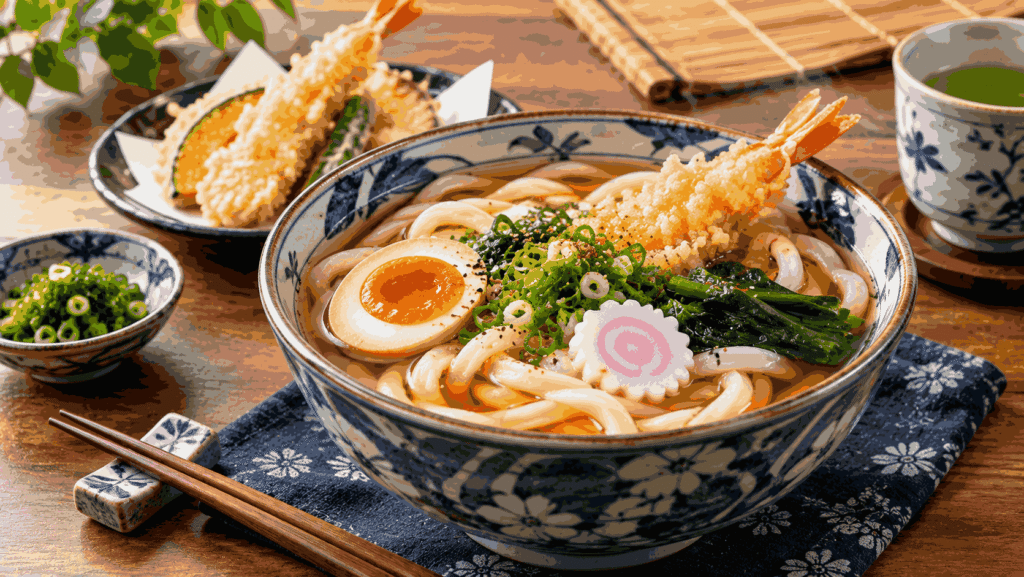
Udon is a thick Japanese noodle that is usually served in a warm broth or with a dipping sauce.
The noodles are soft, chewy, and satisfying. Udon can be served with vegetables, tofu, seafood, meat, or crispy tempura.
It is a great choice for anyone who enjoys comforting noodle dishes.
Soba
Soba noodles are traditionally made with buckwheat. They are thinner than udon and can be served either hot or cold.
Cold soba is often served with a dipping sauce, while hot soba can be enjoyed in a flavorful broth.
Soba is a simple but delicious part of Japanese cuisine.
Japanese Curry
Japanese curry is different from many other Asian curry styles. It is usually thick, mild, and comforting, with a rich savory flavor.
It is commonly served with rice and may include vegetables such as carrots and potatoes. Chicken, beef, or other ingredients can also be added.
Japanese curry is a popular everyday meal in Japan and has become well known internationally.
Yakitori
Yakitori consists of small pieces of chicken grilled on skewers. Different parts of the chicken can be used, and the skewers are often seasoned with a savory sauce or salt.
The smoky grilled flavor makes yakitori a popular choice for casual Japanese meals.
Onigiri
Onigiri are rice balls that are easy to carry and enjoy as a snack or simple meal.
They are often shaped into triangles or other forms and may contain fillings such as salmon, tuna, or pickled ingredients. Seaweed is also commonly wrapped around the rice.
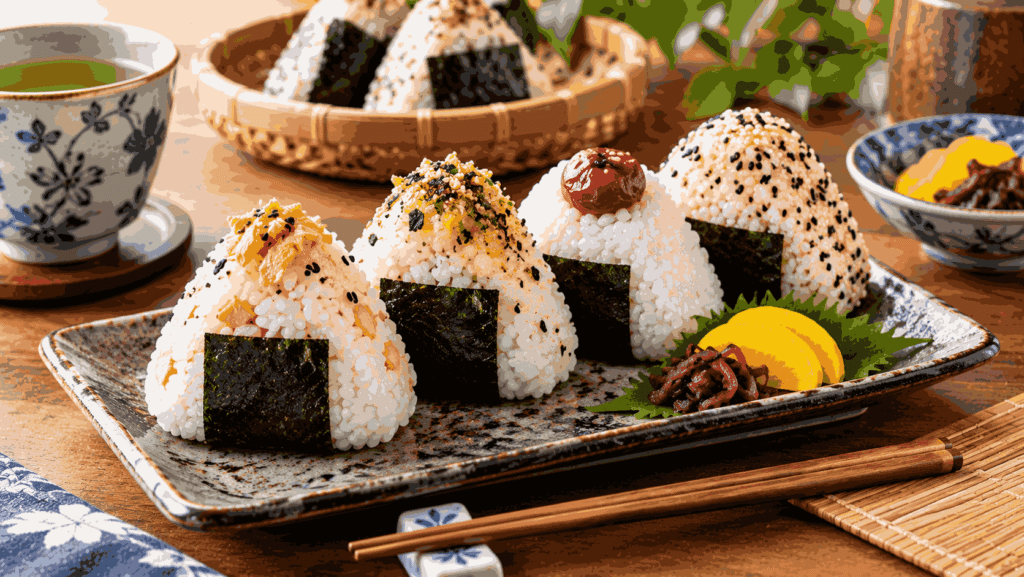
Onigiri is a simple example of how Japanese food can be both practical and delicious.
Traditional Ingredients in Japanese Food
Japanese cooking uses a variety of ingredients to create balanced flavors. Some ingredients are familiar around the world, while others are closely connected to Japanese cuisine.
Rice
Rice is one of the most important foods in Japan. It is served with many meals and is also used to make sushi, onigiri, and other dishes.
Soy Sauce
Soy sauce adds a salty and savory flavor to many Japanese dishes. It is commonly used as a seasoning, dipping sauce, or ingredient in cooking.
Miso
Miso is a fermented soybean paste with a rich savory taste. It is best known as the main ingredient in miso soup but can also be used in sauces and other dishes.
Tofu
Tofu is made from soybeans and has a soft texture. It can be served in soups, stir-fried dishes, salads, and many other Japanese meals.
Seaweed
Seaweed is used in several Japanese foods. Nori, for example, is commonly used around sushi and onigiri.
Ginger
Ginger adds a fresh and slightly spicy flavor to Japanese dishes. It can be used fresh, pickled, or as part of sauces and seasonings.
Wasabi
Wasabi is known for its strong and sharp flavor. It is traditionally served with sushi and sashimi, although the amount used can vary according to personal taste.
Japanese Cooking Methods
Japanese cuisine includes many different cooking methods. Each method helps bring out the natural qualities of the ingredients.
Steaming
Steaming is used to cook foods gently while keeping them moist and tender. It is often used for vegetables, seafood, rice dishes, and dumplings.
Grilling
Grilling gives food a smoky and slightly charred flavor. Yakitori and grilled seafood are common examples.
Deep Frying
Deep frying is used to create crispy foods such as tempura and other fried dishes.
Simmering
Simmering allows ingredients to cook slowly in flavorful broth or sauce. This method is often used for vegetables, meat, and traditional home-style dishes.
Raw Preparation
Some Japanese dishes use fresh ingredients without cooking them. Sushi and sashimi are well-known examples where freshness and careful preparation are especially important.
Japanese Breakfast
A traditional Japanese breakfast can be quite different from a typical Western breakfast.
It may include steamed rice, miso soup, grilled fish, vegetables, pickled foods, and other small side dishes.
The meal focuses on balance rather than one large main dish. Different flavors and textures are served together to create a satisfying start to the day.
Japanese Street Food
Japanese street food is another exciting part of the country’s food culture.
Popular choices include takoyaki, yakitori, taiyaki, and various grilled or fried snacks.
Street food is often enjoyed at festivals, markets, and busy food areas. These foods are usually easy to eat and full of flavor.
Japanese street food also shows a more casual side of the country’s cuisine, where people can enjoy freshly prepared food while exploring local areas.
Japanese Food and Seasonal Ingredients
Seasonality is an important idea in Japanese cuisine. Many chefs and home cooks choose ingredients according to the season.
Spring may bring fresh vegetables and delicate flavors, while summer meals can focus on lighter and refreshing foods. Autumn is known for ingredients such as mushrooms and seasonal fish, while winter brings warm soups and comforting dishes.
Using seasonal ingredients helps Japanese meals feel fresh and connected to nature.
Japanese Food Culture and Presentation
Japanese food is often appreciated for its beautiful presentation. The appearance of a meal can be almost as important as its taste.
Different plates, bowls, colors, and arrangements are used to make food look appealing.
The idea is not simply to make food look fancy. Careful presentation can make the dining experience more enjoyable and help highlight the ingredients.
This attention to detail is one reason Japanese cuisine is admired around the world.
Japanese Food in the USA
Japanese food has become increasingly popular in the United States. Sushi restaurants, ramen shops, Japanese bakeries, and casual food spots can be found in many American cities.
Popular dishes such as sushi, ramen, teriyaki, and Japanese curry are enjoyed by people with different food preferences.
Japanese cuisine in the USA also includes creative variations that combine Japanese flavors with local ingredients and cooking styles.
This growing popularity makes Japanese food an important part of the wider Asian food scene in America.
Healthy Choices in Japanese Cuisine
Many Japanese dishes include vegetables, seafood, rice, tofu, and other nutritious ingredients.
Steaming, grilling, and simmering are common cooking methods, and meals can include several smaller portions instead of one very large dish.
However, Japanese cuisine is very diverse, so the nutritional value depends on the specific dish, ingredients, portion size, and preparation method.
The best approach is to enjoy a variety of foods and choose meals that fit your own dietary needs.
How to Enjoy Japanese Food at Home
You do not need to visit Japan to enjoy Japanese-inspired meals. Many Japanese dishes can be prepared at home with ingredients that are available in supermarkets or Asian grocery stores.
Start with simple dishes such as fried rice, miso soup, udon, Japanese curry, or teriyaki-style meals.
Once you become familiar with basic Japanese ingredients, you can explore more traditional recipes and cooking techniques.
Cooking Japanese food at home can also be a fun way to learn about Japanese culture and discover new flavors.
Why People Love Japanese Food
Japanese food has something for almost everyone. People who enjoy seafood can explore sushi and sashimi, while noodle lovers can try ramen, udon, and soba.
There are also plenty of options featuring vegetables, rice, tofu, chicken, and other ingredients.
The combination of simple flavors, fresh ingredients, interesting textures, and attractive presentation makes Japanese cuisine easy to appreciate.
Whether you prefer a quick bowl of ramen or a carefully prepared sushi meal, Japanese food offers many different experiences.
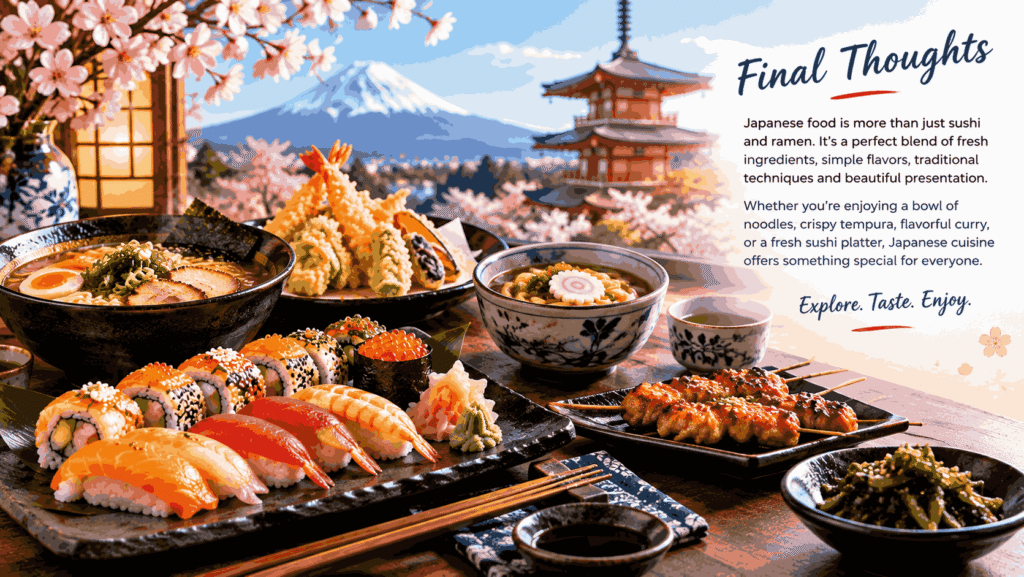
Final Thoughts on Japanese Food
Japanese food is much more than sushi and ramen. It is a diverse cuisine built around fresh ingredients, balanced flavors, traditional techniques, and thoughtful presentation.
From comforting bowls of noodles to crispy tempura, grilled yakitori, Japanese curry, rice dishes, and seasonal meals, there is a lot to explore.
Japanese cuisine has also become an important part of the global food scene, including in the USA. Its combination of tradition and creativity continues to introduce people to new flavors and dining experiences.
If you are exploring Asian cuisine, Japanese food is a great place to start. Try a familiar favorite or discover something completely new—you may find your next favorite dish.

SEO Master is a professional website creator and digital content specialist with expertise in blog post creation, SEO-friendly content, website design, WordPress, and digital marketing. I help businesses and website owners create professional websites, engaging content, and effective online strategies to build a stronger digital presence. E.mail:
| seomaster6525@gmail.com |