Choosing the right kids shoes is more important than most parents realize. Children’s feet grow quickly, and they need proper support to walk, run, and play with confidence. A good pair of shoes protects their feet, keeps them comfortable, and helps them develop a natural walking pattern. When the shoes fit well, children move freely and stay active throughout the day.
Many parents struggle to pick the right size or the right type of shoe. Every child has different needs. Some need lightweight sneakers for school. Others need flexible shoes for early walking. The wrong fit can cause discomfort, blisters, or even long-term foot problems. That is why it is important to understand how kids’ feet grow, how to measure them correctly, and what features matter in a quality pair of shoes.
This guide will help you make smart decisions when buying kids shoes. You will learn how to measure feet at home, how to choose the best shoe type for each age group, and how to compare materials and features. With the right knowledge, you can find comfortable, durable, and safe shoes that support your child’s daily activities.
How Children’s Feet Grow and Why the Right Fit Matters
Children’s feet grow fast, and this growth directly affects the type of shoes they should wear. In the early years, bones are still soft and flexible. That is why the foot shape changes quickly as kids start crawling, standing, and taking their first steps. During toddler age, feet can grow up to two full sizes each year. School-age children also experience steady growth, which means their shoe size may change every few months. Understanding this growth pattern helps parents pick shoes that support natural movement.
A proper fit is essential for healthy foot development. Tight or stiff shoes can limit movement and put pressure on growing bones. Loose shoes can cause instability and make running or walking difficult. Foot specialists and pediatric podiatrists often recommend choosing shoes with enough toe room, a flexible sole, and breathable material. Brands like Nike, Adidas, and Stride Rite also highlight the importance of measuring both feet because many children have one foot slightly larger than the other. Choosing the right size and checking it regularly prevents discomfort and avoids future foot problems.
As kids become more active, the need for supportive and durable shoes increases. Shoes with soft cushioning, strong grip, and a safe toe box help children stay comfortable during school activities and playtime. A good pair of kids shoes does more than protect the feet. It supports growth, encourages natural movement, and allows children to explore the world with confidence.
How to Measure Your Child’s Feet at Home
Measuring your child’s feet at home is simple, and it helps you choose the correct shoe size without guesswork. Start by placing your child’s foot on a plain sheet of paper. Make sure they stand straight with full weight on the foot. Trace around the foot with a pencil. Measure the distance from the heel to the longest toe. Repeat the same steps for the other foot because one foot is often slightly larger. Always choose the shoe size based on the bigger foot.
Once you have the measurements, compare them with a trusted size chart from brands like Nike or Adidas. Most brands use different sizing systems, so checking the chart helps you avoid ordering the wrong size. Convert the length into US, UK, or EU sizes depending on the type of kids shoes you plan to buy. Make sure you leave a small growth room. A thumb’s width of space at the front of the shoe is usually recommended for comfortable movement.
After choosing the size, check the width as well. Some children need wider shoes for better comfort. Many kids shoe brands offer wide or extra-wide options to ensure a natural fit. Measuring correctly gives your child a better chance of wearing comfortable footwear that supports running, walking, and daily play. A well-measured size also reduces the chances of returns and ensures a better online shopping experience.
Fit Checklist: Key Things to Check Before Buying Kids Shoes
A correct fit is the most important part of choosing kids shoes. Even high-quality shoes can feel uncomfortable if the size or shape is wrong. Start by checking the toe room. Your child should have a small space, about a thumb’s width, between the longest toe and the front of the shoe. This space allows natural movement and gives room for growth. Make sure the toe box is wide enough, especially for active children who need flexibility during running and playing.
Next, check the heel area. The shoe should hold the heel in place without slipping. A slipping heel can cause blisters or make walking unstable. Look for a snug but comfortable grip around the heel. The sole is another important factor. Choose a flexible sole that bends easily at the front. Brands like Nike, Adidas, and Stride Rite recommend flexible soles because they support natural foot motion. Soft cushioning, breathable fabric, and lightweight materials also improve comfort for everyday use.
Finally, check the closure type. Velcro straps are ideal for toddlers and young kids because they offer quick adjustment. Laces work well for older kids who need a more secure fit. Avoid shoes that feel too tight on the sides or press down on the top of the foot. A proper fit reduces strain, improves balance, and keeps your child active throughout the day. A well-fitted shoe supports healthy foot development and makes walking, running, and school activities much easier.
Kids Shoes by Age: What to Choose at Each Stage
Choosing the right shoes depends on your child’s age and daily activities. Every age group has different needs, and understanding those needs helps you pick shoes that support healthy foot development. Babies, toddlers, school-age children, and older kids all require different levels of support, flexibility, and durability.
Babies (0–12 Months)
Babies do not need structured shoes. At this stage, their feet are soft and still forming. Soft-sole or crib shoes are the best choice because they allow natural movement. Choose lightweight and flexible shoes that feel almost like bare feet. Avoid hard soles because they limit balance and make early steps more difficult.
Toddlers (1–3 Years)
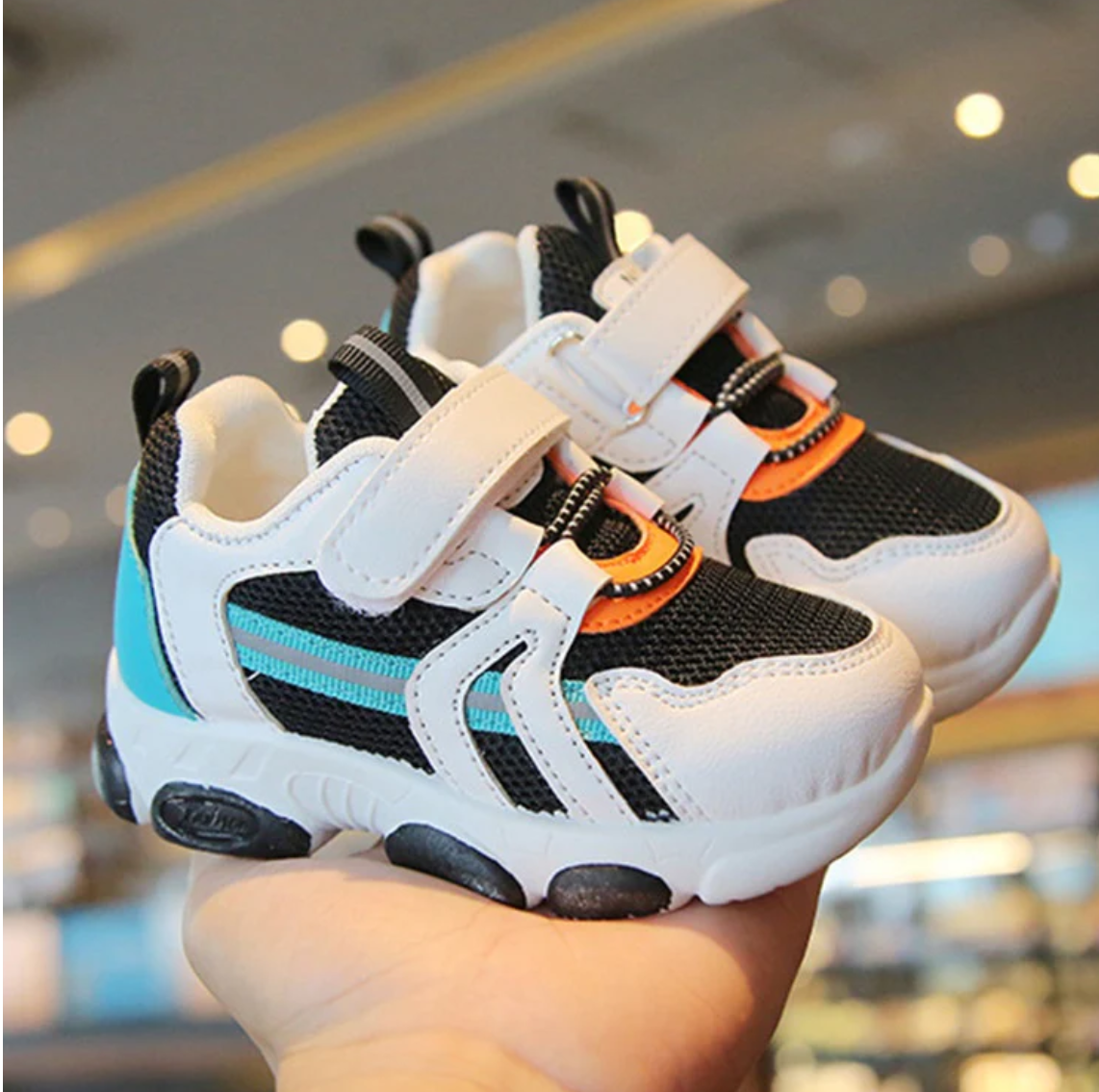
Toddlers begin walking confidently, so they need shoes that provide gentle support. Look for a wide toe box, soft cushioning, and a flexible sole. Velcro straps are the easiest option for this age because they make wearing and removing shoes simple. Many kids develop fast at this stage, so check the size every two to three months.
Preschool and School-Age Kids (4–10 Years)
School-age children are very active. They need durable shoes that handle running, jumping, and long hours of play. Choose breathable sneakers with strong grip, supportive midsoles, and good heel stability. Look for lightweight materials that keep the feet cool during school and outdoor activities. Many parents prefer brands like Nike and Adidas because they offer good support and long-lasting comfort.
Older Kids and Pre-Teens
As children grow older, their activity level changes. Some need shoes for sports like running, football, or basketball. Others need everyday sneakers for school. At this stage, focus on arch support, cushioning, and a stable sole. Sports-specific kids shoes help prevent injuries and improve performance. Regularly monitor the fit because sudden growth spurts are common in this age group.
Types of Kids Shoes Explained
Kids shoes come in different types, each designed for specific activities and age groups. Understanding the types helps parents choose shoes that are comfortable, safe, and suitable for daily use.
Sneakers / Trainers
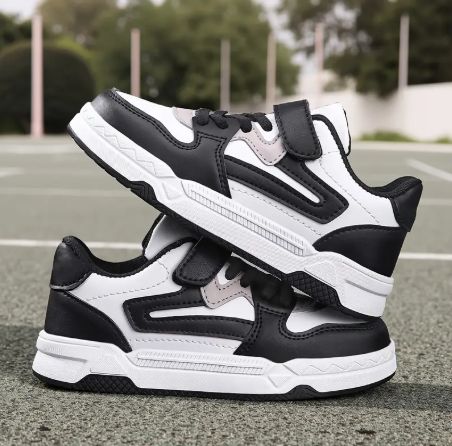
Sneakers are the most popular choice for school and play. They offer flexibility, cushioning, and breathability. Sneakers with Velcro or laces provide a secure fit. They are ideal for running, walking, and sports activities.
School Shoes
School shoes are usually more structured and formal. They often have leather or synthetic uppers with durable soles. Look for shoes that offer good support, comfort, and slip resistance for long school hours.
Sandals
Sandals are perfect for warm weather. Choose breathable, lightweight designs with a secure strap. Avoid overly loose sandals that can cause tripping. Closed-toe sandals provide extra protection for active children.
Boots
Boots are best for colder weather or rough terrain. They protect feet from cold, rain, or mud. Look for waterproof or insulated boots with a flexible sole to ensure comfort during walking and outdoor play.
Sports Shoes
Sports shoes are designed for specific activities like running, football, or basketball. They provide extra cushioning, grip, and support for high-impact movements. Choose shoes recommended by brands like Nike, Adidas, or Saucony for proper performance.
Barefoot / Minimal Shoes
These shoes have very thin soles and allow natural foot movement. They are suitable for toddlers learning to walk and children who need flexible footwear for short periods. Make sure the surface is safe when using barefoot-style shoes.
Orthopedic Shoes
Orthopedic kids shoes are for children with specific foot problems. They offer additional support for arch issues, flat feet, or other conditions. Always consult a pediatric podiatrist before choosing orthopedic shoes.
Materials, Durability, and Safety: What to Look For
The materials used in kids shoes affect comfort, durability, and safety. Leather, mesh, and synthetic fabrics are the most common options. Leather is strong and durable, offering good support for school shoes and boots. Mesh is lightweight and breathable, making it ideal for sneakers and active play. Synthetic materials are often easy to clean and maintain, which is helpful for daily use.
Durability is key because children are very active. Shoes with reinforced toes, strong stitching, and non-slip soles last longer and protect growing feet. Check the sole for flexibility; it should bend easily at the front while still providing stability at the heel. Avoid shoes that are too stiff or have hard edges, as they can cause discomfort or injuries.
Safety is another important factor. Look for shoes with secure closures like Velcro or laces that hold the foot in place. Breathable materials prevent sweating and reduce the risk of blisters. Waterproof or water-resistant options are useful for rainy or snowy conditions. For parents interested in eco-friendly options, brands like Veja and Native offer sustainable kids shoes made from recycled or natural materials. Choosing the right materials ensures comfort, protects feet, and allows children to play safely in any environment.
Online vs In-Store: Pros, Cons, and Measurement Tips for Buying Kids Shoes
Buying kids shoes online is convenient, but it comes with challenges. You cannot physically try the shoes, so accurate measurement is essential. Always measure both feet at home and compare the sizes with the brand’s official size chart. Remember that sizing can vary between brands like Nike, Adidas, and Stride Rite. Allow a small growth room—usually about a thumb’s width at the toe—to ensure comfort. Reading product reviews helps identify if shoes run true to size or if adjustments are needed.
In-store shopping allows your child to try on multiple pairs and walk around to test comfort and fit. You can feel the shoe’s flexibility, check the sole, and observe heel support directly. The downside is that some popular sizes may be out of stock, and options may be limited compared to online stores.
Whether buying online or in-store, always check the return or exchange policy. Many online stores offer free returns for kids shoes, which makes online shopping safer. Combining accurate measurements, size charts, and brand guidance ensures that your child gets comfortable, well-fitting shoes regardless of where you buy them.
Common Foot Problems and When to See a Pediatric Podiatrist
Even with the right shoes, some children may develop foot problems that require attention. Common issues include flat feet, in-toeing (feet turning inward), blisters, and persistent pain while walking or running. Heel slippage or uneven wear on the shoe soles can also indicate that the shoes do not fit properly. Monitoring these signs helps prevent long-term problems.
If your child complains of pain, walks differently than usual, or develops frequent blisters, it is important to consult a pediatric podiatrist. Early intervention can correct minor issues before they become serious. Pediatric podiatrists can recommend specialized shoes or orthotics to support proper foot development.
Choosing the right shoes is the first step, but regular observation and timely action are essential. Proper footwear combined with professional guidance ensures healthy foot growth and allows children to stay active and comfortable.
Caring for Kids Shoes and Extending Their Life
Taking proper care of kids shoes helps them last longer and keeps your child’s feet comfortable. Start by cleaning shoes regularly to remove dirt and dust. Use a soft brush or damp cloth for leather and synthetic shoes, and mild soap for fabric or mesh materials. Avoid harsh chemicals that can damage the shoe material.
Rotate between two or more pairs of shoes whenever possible. This allows shoes to dry completely and prevents odor or bacteria buildup. For Velcro or lace closures, fasten them properly to maintain shape and support. Removable insoles should be cleaned or replaced periodically to keep the shoes hygienic.
Repair minor damage, such as loose stitching or worn soles, promptly. However, replace shoes when they no longer provide proper support or become too tight due to growth. Regular care ensures durability, comfort, and safety, helping your child get the most out of every pair of shoes.
Best Kids Shoes & Brands: Top Picks for Comfort and Durability
Choosing the right brand can make a big difference in comfort, support, and durability. Here are some of the most trusted brands and their standout features:
Nike
Nike kids shoes are known for comfort and support. They offer lightweight sneakers suitable for running, sports, and everyday play. Many styles come with Velcro or elastic laces for easy wear.
Adidas
Adidas provides durable, breathable shoes for active kids. Their shoes often feature flexible soles and cushioned insoles, making them ideal for school and sports.
Stride Rite
Stride Rite specializes in children’s footwear and is recommended by pediatric podiatrists. Their shoes focus on proper fit, foot support, and growth-friendly designs.
Veja
For parents interested in eco-friendly options, Veja offers sustainable kids shoes made from recycled materials. They combine style, comfort, and environmental responsibility.
Saucony
Saucony kids shoes are perfect for young athletes. They provide excellent grip, cushioning, and arch support for running and sports activities.
Native
Native shoes are lightweight, water-resistant, and easy to clean. They are ideal for toddlers and preschoolers who need flexible, breathable shoes for play.
Teva
Teva offers durable sandals and casual shoes with secure straps. They are suitable for outdoor play, summer activities, and water-friendly use.
Quick Buying Checklist and FAQ
Kids Shoes Buying Checklist
- Measure both feet and use the larger foot for sizing.
- Allow a thumb’s width of space at the toe.
- Check heel fit to prevent slipping.
- Choose flexible soles for natural movement.
- Pick breathable, lightweight, and durable materials.
- Select age-appropriate shoes for activity and growth.
- Prefer secure closures like Velcro or laces.
- Rotate shoes and maintain proper care.
- Monitor for foot problems or discomfort regularly.
Frequently Asked Questions (FAQ)
Q1: How often should I measure my child’s feet?
Measure every 2–3 months for toddlers and every 4–6 months for older kids.
Q2: Can toddlers wear shoes indoors?
Soft-soled shoes or barefoot-style shoes are best indoors to support natural foot development.
Q3: What is the difference between Velcro and lace shoes?
Velcro is easier for younger children, while laces provide a secure fit for older kids.
Q4: How much growth room should I leave in the shoe?
A thumb’s width of space at the toe is recommended to allow comfortable growth.
Q5: Are expensive brand shoes always better?
Not always. Focus on proper fit, support, and durability rather than just the brand or price.
Conclusion
Choosing the right kids shoes is essential for healthy foot development and everyday comfort. Properly fitting shoes support natural movement, prevent discomfort, and allow children to stay active during school, play, and sports. By measuring feet correctly, selecting age-appropriate shoes, and checking for quality materials and support, parents can ensure their children wear shoes that are both safe and durable. Regular monitoring and care keep shoes in good condition, helping kids enjoy every step they take with confidence and comfort.