Finding the best shoes for women can feel overwhelming because every pair promises comfort, support and style. But the truth is simple. The right shoe depends on your daily routine, your foot shape and the kind of comfort you need. A good pair should help you move with ease, reduce stress on your feet and match your personal style without trying too hard.
In this guide, you will discover shoes that work for walking, running, travel, work and everyday wear. Each category highlights what really matters, like cushioning, arch support, breathability and fit. The goal is to help you make confident choices so you don’t waste money on shoes that look good but hurt later. With the right information, you can pick a pair that feels comfortable from day one and stays reliable for a long time.
This article uses simple language, clear tips and active voice so anyone can understand it. Whether you want all-day comfort for work or lightweight sneakers for daily use, this guide will make your decision easier and help you choose the perfect shoes for your needs.
How to Choose the Best Shoes for Women
Choosing the best shoes for women starts with understanding what your feet need. Every foot shape is different, so the right pair should match your arch type, provide enough cushioning and give your toes enough space to move. Look for shoes with breathable materials, a supportive midsole and a stable heel. These features help reduce pressure, prevent pain and improve overall comfort in daily activities.
Before you buy, think about where and how you will use the shoes. If you walk a lot, choose lightweight walking shoes with soft cushioning and arch support. For running, go for models like Nike Pegasus or ASICS Gel Nimbus that offer shock absorption and a balanced ride. If you work long hours on your feet, pick shoes with a wide toe box, a padded insole and strong heel support. These small details make a big difference in how your feet feel at the end of the day.
Also pay attention to fit. Try shoes in the afternoon when your feet are slightly swollen. Make sure there is a thumb’s width of space at the front and no slipping at the heel. Shoes with removable insoles or memory foam cushioning work well if you need extra support or custom orthotics. When comfort, fit and purpose align, you get a pair that feels good, supports your posture and lasts longer.
Shoe Types Explained: Pick the Right Category
Understanding the main types of women’s shoes makes choosing the right pair much easier. Every category serves a different purpose, and each one offers unique comfort, support and performance benefits. When you know the difference between everyday sneakers, running shoes, walking shoes, work shoes, heels and boots, you can match the right pair to your lifestyle without guessing.
Everyday Sneakers
Everyday sneakers are perfect for casual wear, travel and daily activities. They usually feature breathable mesh or knit uppers, cushioned midsoles and flexible outsoles. Brands like New Balance, Allbirds and Nike create versatile styles that look good with most outfits. Choose these if you want comfort, style and all-day support in one pair.
Running Shoes
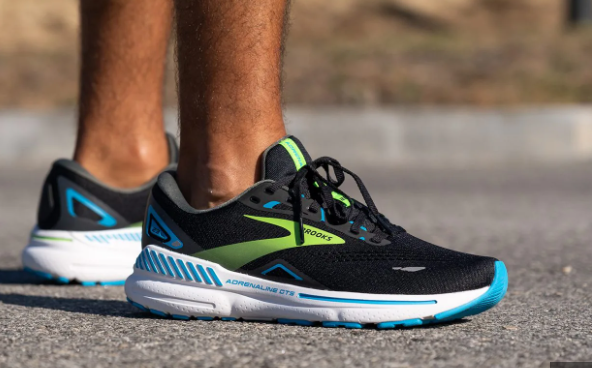
Running shoes focus on shock absorption, stability and smooth transitions. Models like Hoka Clifton, ASICS Novablast and Nike Pegasus are known for soft cushioning and balanced support. These shoes work well for jogging, long runs and even fast-paced walking. Look for a lightweight feel, good grip and a design that matches your running style.
Walking and Travel Shoes
Walking shoes offer steady support and long-lasting cushioning. They are perfect for daily walks, sightseeing and long travel days. Options like Brooks Ghost or Skechers Arch Fit provide soft landings and great arch support. Choose walking shoes if you want comfort during long hours on your feet.
Work and Standing-All-Day Shoes
Work shoes are built for people who stand for many hours. They often include slip-resistant soles, sturdy heel cups and wide toe boxes. Brands like Vionic and Dr. Scholl’s design shoes with strong arch support that help reduce foot pain. These are ideal for teachers, nurses, retail workers and anyone with a busy workday.
Heels and Dress Shoes
Heels add style but still need comfort. Look for block heels, cushioned footbeds and secure straps. Lower heel heights reduce pressure on your feet, making them easier to wear for long periods. Dress shoes work well for offices, events and formal occasions.
Sandals and Summer Shoes
Summer shoes should feel light and breathable. Supportive sandals from Teva or Birkenstock offer adjustable straps, arch support and comfort for walking. Choose sandals with a soft footbed if you need relief during hot weather.
Boots
Boots provide durability and protection in cooler seasons. Look for options made from leather or waterproof materials. Ankle boots and knee-high boots can offer both style and comfort when paired with cushioned insoles and stable heels.
Selecting the right category helps you find shoes that match your daily needs, foot shape and comfort level. When you know what to look for, every step feels better.
Top Picks by Category
Choosing the best shoes becomes easier when you compare reliable options in each category. Below are some trusted picks based on comfort, support, durability and everyday performance. These suggestions use popular brands, strong customer reviews and features that help women stay comfortable in different situations.
Best Everyday Sneaker
Everyday sneakers should feel soft, flexible and easy to wear with most outfits. Models from New Balance, Nike and Allbirds are known for their lightweight design and breathable uppers. These sneakers work well for errands, casual outings and long walks. Look for cushioned midsoles, mesh uppers and a steady heel structure to support your natural movement.
Best Running Shoe for Women
Running shoes need proper shock absorption and stable cushioning. Options like Hoka Clifton, ASICS Novablast and Nike Pegasus deliver comfort and support for daily runs. They help reduce pressure on knees and ankles while improving your running form. Choose a pair with a smooth heel-to-toe transition and a snug yet flexible fit for the best experience.
Best Walking Shoes for Women
Walking shoes are designed for slow, steady movement and long hours of wear. Brooks Ghost, Skechers Arch Fit and Vionic walking shoes are popular for their soft landings and strong arch support. They offer a balanced feel that helps reduce fatigue during travel, sightseeing or daily walks. These shoes also work well for people with sensitive feet.
Best Comfortable Heels
Comfortable heels should offer style without pain. Brands like Naturalizer and Clarks focus on cushioned footbeds, wider toe boxes and stable block heels. These features help distribute pressure evenly and allow you to wear heels for longer periods. Choose pairs with soft lining and supportive midsoles to stay comfortable at work or special events.
Best Sandals for Travel and Summer
Travel-friendly sandals should feel light, supportive and secure. Teva, Birkenstock and Skechers offer options with adjustable straps, arch support and soft footbeds. These sandals keep your feet cool and comfortable during warm weather and long walks. They are great for vacations, beach days and casual outings.
Best Budget-Friendly Comfort Shoes
Affordable shoes can still offer great support. Brands like Skechers, Adidas and Crocs provide quality cushioning, memory foam insoles and breathable materials at a lower price. These models are ideal for daily wear and simple activities without sacrificing comfort.
By comparing these categories and understanding what each shoe type offers, you can match your needs with the right pair. The goal is to help you find shoes that feel comfortable from the first step and stay reliable for months.
Buying Guide: Fit, Sizing, and What to Check Before You Buy
Finding the right fit is the most important step in choosing the best shoes for women. A shoe can have great cushioning and strong support, but if the fit is wrong, it will still cause discomfort. Start by measuring your foot length and width. Your feet are usually slightly larger in the afternoon, so try shoes later in the day for a more accurate fit. Make sure there is enough space for your toes to move, and ensure your heel stays stable without slipping.
When buying online, always check the sizing chart because each brand fits differently. For example, Nike and New Balance may feel snug, while Skechers and Brooks often offer a roomier toe box. Use reviews to understand if a shoe runs small or large. If you use orthotics or need extra support, look for shoes with removable insoles or memory foam footbeds. This gives you more flexibility and better comfort for long-term wear.
Before finalizing your purchase, test the shoes on different surfaces if possible. Walk a few steps, check for pressure points and see how the cushioning feels under your arch and heel. A good pair should feel comfortable from the first step. When you focus on proper sizing and fit, you reduce foot fatigue, improve posture and enjoy better comfort every day.
Foot Health and Supportive Features to Prioritize
Good foot health starts with choosing shoes that match your natural shape and support your daily movements. Many women experience foot pain because their shoes lack proper arch support, cushioning or stability. To avoid this, look for shoes that support your arch type. Neutral arches need balanced cushioning, while flat feet often require stronger arch support and a firm midsole. High arches benefit from soft cushioning that absorbs shock with every step.
A wide toe box is also important, especially if you have bunions, wide feet or swelling after long hours of standing. Shoes with a flexible forefoot and a stable heel counter help maintain proper foot alignment and reduce pressure on sensitive areas. Cushioned midsoles made from EVA foam or similar materials can soften impact and keep your feet comfortable throughout the day.
If you deal with foot issues like plantar fasciitis, heel pain or general discomfort, choose shoes with removable insoles so you can use custom orthotics. Supportive brands such as Vionic, Brooks and ASICS design shoes that help reduce strain and improve posture. These features not only protect your feet but also help your knees, hips and lower back stay balanced. Prioritizing support makes every step smoother and keeps your feet healthy for the long run.
Trends to Know in 2025
Footwear trends in 2025 focus on comfort, clean design and versatile styling. More women are choosing shoes that support an active lifestyle while still looking stylish for everyday wear. Lightweight sneakers with soft cushioning, breathable knit uppers and neutral colors are becoming more popular because they match almost every outfit. Brands are also creating designs that blend fashion and function, making it easier to stay comfortable without compromising on style.
Sustainable shoes are also growing quickly. Many brands now use recycled materials, eco-friendly foam and low-waste production methods. This shift makes it easier to find comfortable shoes that are also better for the environment. Another trend is the rise of retro-inspired sneakers and chunky soles, which offer extra cushioning and a bold look at the same time.
Women are also leaning toward hybrid shoes that work for multiple activities, like travel, walking and light workouts. This trend makes sense because people want fewer pairs that do more. With these updated styles and features, 2025 is all about finding shoes that feel good, look modern and support your day from morning to night.
Shoe Care and Maintenance
Taking care of your shoes helps them last longer and stay comfortable. Start by cleaning them regularly based on their material. Mesh and knit shoes can be wiped with mild soap and water, while leather shoes need a soft cloth and a gentle leather cleaner. Avoid soaking your shoes because excess water can damage the cushioning and materials. Always let your shoes air-dry naturally and keep them away from direct heat, which can cause the glue and foam to weaken.
It also helps to rotate your shoes. Wearing the same pair every day causes the cushioning to compress faster and reduces support. Give each pair at least a day to breathe and regain its shape. If your shoes have removable insoles, take them out occasionally to prevent odor and moisture buildup. Using a waterproof spray on sneakers, boots and sandals can also protect the material and make cleaning easier.
Proper storage also matters. Keep your shoes in a cool, dry place and avoid stacking them under heavy items. If you wear boots, use simple boot shapers or rolled paper to keep them standing tall. With regular care and small maintenance steps, your shoes stay fresh, supportive and ready for everyday use.
FAQs About the Best Shoes for Women
1. What heel height is most comfortable for all-day wear?
Low to medium heels, around 1–2 inches, provide stability and reduce pressure on your feet. Block heels are often more comfortable than thin stilettos.
2. How often should I replace running or walking shoes?
For running shoes, replace them every 300–500 miles. Walking and casual shoes usually last 8–12 months, depending on usage.
3. Are expensive shoes always better?
Not necessarily. Expensive shoes can have quality materials, but comfort and fit matter most. Some budget-friendly brands offer excellent support and cushioning.
4. How do I know if shoes are good for wide feet?
Look for a wide toe box, adjustable straps, and brands that offer wide sizing options. Shoes that squeeze your toes or feel tight should be avoided.
5. Can I use orthotics in all shoes?
Shoes with removable insoles work best for orthotics. Many supportive sneakers, walking shoes, and work shoes accommodate custom insoles.
6. What is the difference between running shoes and walking shoes?
Running shoes have more cushioning and a design for forward motion at higher speeds. Walking shoes are stiffer in the sole, provide more stability, and focus on comfort for longer durations.
7. How do I choose shoes for plantar fasciitis or foot pain?
Choose shoes with strong arch support, cushioned midsoles, and a stable heel. APMA-approved shoes like Vionic or Brooks are recommended for foot pain relief.
8. Can sandals be supportive enough for long walks?
Yes, if they have adjustable straps, arch support, and cushioned footbeds. Brands like Teva and Birkenstock offer summer sandals suitable for longer walks.
This FAQ section helps readers find quick answers and boosts SEO by naturally including common search terms related to shoes, comfort, support, and foot health.
Conclusion
Choosing the best shoes for women is about finding the right balance between comfort, support, and style. By understanding your foot type, daily activities, and the features each shoe category offers, you can select pairs that keep your feet healthy and comfortable. Whether it’s sneakers for everyday wear, supportive walking shoes, stylish heels, or durable boots, investing in well-fitting shoes makes a noticeable difference in your posture, energy, and overall foot health. With proper care and attention to fit, the right shoes will serve you well for years while keeping every step comfortable.