
Introduction
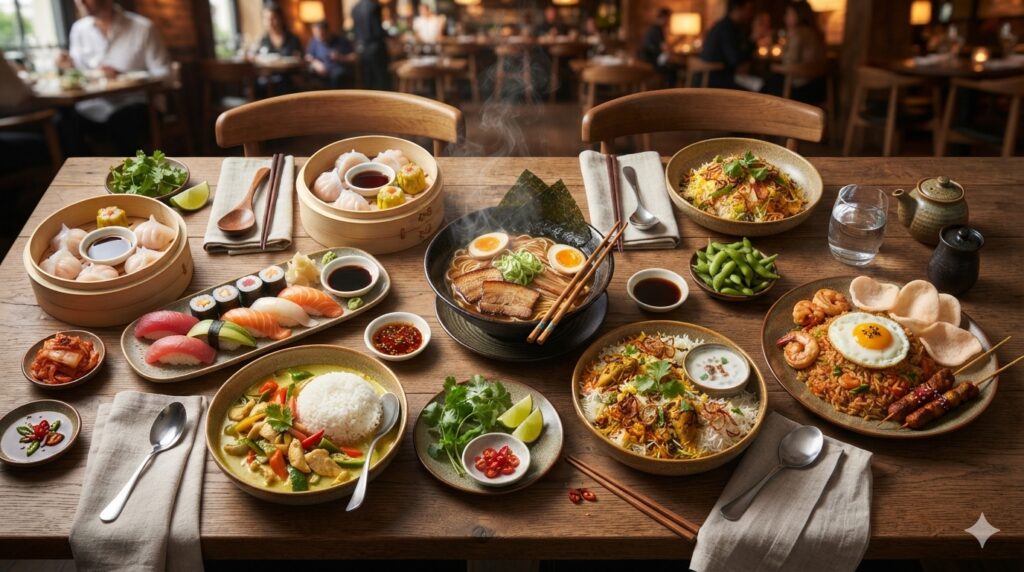
Asian food is much more than one type of cuisine. Across Asia, different countries and regions have developed their own ingredients, cooking methods, flavors, and food traditions. From Chinese dumplings and Japanese sushi to Thai curries, Vietnamese pho, Indian biryani, and Korean dishes, every cuisine has something different to offer.
What makes Asian food special is its incredible variety. Some dishes are spicy and bold, while others are light, fresh, savory, or aromatic. Rice, noodles, spices, herbs, sauces, and fermented ingredients are common in many Asian kitchens, but each region uses them in its own way.
In this guide, we’ll explore the main types of Asian cuisine, popular dishes, essential ingredients, cooking techniques, flavors, and food traditions. Whether you’re trying Asian food for the first time or simply want to discover something new, this guide will help you explore the flavors of Asia with confidence.
What Is Asian Food?
Asian food refers to the wide range of traditional cuisines found across Asia. It includes the foods, ingredients, cooking styles, and traditions developed in different countries and regions.
There is no single flavor that defines Asian food. Chinese cuisine often uses soy sauce, ginger, and garlic, while Japanese dishes are known for delicate umami flavors. Thai food often combines spicy, sweet, sour, and savory tastes, while South Asian cuisines are known for aromatic spices and rich flavors.
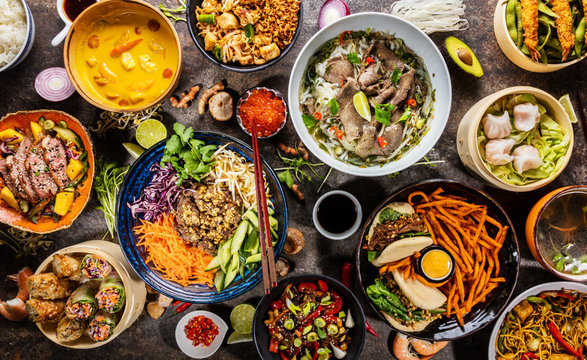
Asian food also reflects local culture and ingredients. Rice, noodles, vegetables, seafood, meat, herbs, spices, and fermented foods are important in many Asian cuisines. However, the way these ingredients are prepared can vary greatly from one region to another.
Major Regions of Asian Cuisine
Asian cuisine is incredibly diverse, so it helps to explore it by region. Each region has its own ingredients, cooking methods, and traditional dishes.
East Asian Food
East Asian cuisine includes Chinese, Japanese, Korean, and Taiwanese food. Rice, noodles, seafood, vegetables, soy-based ingredients, and fermented foods are common. Popular dishes include sushi, ramen, dumplings, fried rice, and Korean barbecue.
Southeast Asian Food
Southeast Asian cuisine includes Thai, Vietnamese, Indonesian, Malaysian, Filipino, Singaporean, Cambodian, and Lao food. Fresh herbs, chili, coconut, seafood, rice, noodles, and flavorful sauces are widely used. Pad Thai, pho, laksa, and nasi goreng are well-known examples.
South Asian Food
South Asian cuisine includes Indian, Pakistani, Bangladeshi, Sri Lankan, and Nepalese food. Spices and aromatic ingredients play an important role. Biryani, curries, naan, dal, and samosas are popular dishes from the region.
Central Asian Food
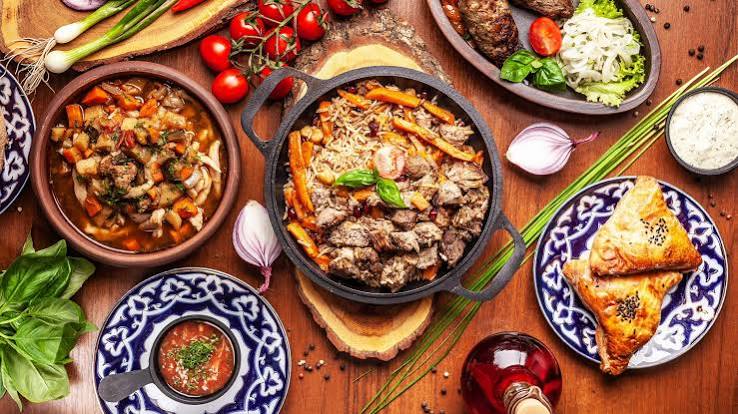
Central Asian cuisines include foods from countries such as Uzbekistan, Kazakhstan, Kyrgyzstan, Tajikistan, and Turkmenistan. Rice, meat, vegetables, and breads are common ingredients, with dishes such as plov and various dumplings being popular examples.
West Asian Food
West Asian cuisine includes diverse traditions from countries such as Iran, Türkiye, Lebanon, Armenia, and Georgia. Grilled meats, rice, breads, herbs, vegetables, and aromatic spices are important parts of many dishes.
Most Popular Asian Foods
Asian cuisine offers a huge variety of dishes, from quick street food to comforting family meals. Many dishes have become popular around the world because of their unique flavors and simple, satisfying ingredients.
Rice dishes are an important part of many Asian cuisines. Fried rice, biryani, nasi goreng, and sushi are enjoyed in different regions.
Noodles are another Asian favorite. Ramen, chow mein, pad Thai, pho, udon, and soba each have their own taste and style.
Dumplings are popular across East and Central Asia, with different fillings, shapes, and cooking methods. Curries, soups, stir-fries, grilled foods, and street snacks are also common throughout the continent.
The best way to explore Asian food is to try dishes from different regions. You may discover new flavors, ingredients, and cooking traditions that become your favorites.
Essential Asian Ingredients
Asian cooking uses a wide range of ingredients to create rich and balanced flavors. While ingredients vary between regions, some are common across many Asian cuisines.
Rice and noodles are staples in many countries and are used in everything from everyday meals to special dishes. Soy sauce adds a salty, savory taste, while sesame oil provides a rich nutty aroma.
Fresh ingredients such as ginger, garlic, chili, and herbs add fragrance and flavor. Coconut milk is widely used in Southeast Asian curries and soups, while spices such as turmeric, cumin, and coriander are important in many South Asian dishes.
Other popular ingredients include rice vinegar, miso, fish sauce, and lemongrass. Learning how these ingredients taste and how they are used can make it much easier to explore Asian cooking at home.
Asian Flavors and Taste Profiles
One of the best things about Asian food is the variety of flavors. Different cuisines use simple ingredients in different combinations to create unique tastes.
Sweet, sour, salty, spicy, and savory flavors are common across many Asian dishes. Ingredients such as chili, lime, soy sauce, vinegar, ginger, garlic, and herbs help create these balanced flavors.
Some cuisines focus on fresh and light tastes, while others use rich spices, fermented ingredients, or creamy sauces. Thai food, for example, often balances spicy, sweet, sour, and salty flavors, while Japanese cuisine is well known for its delicate umami taste.
Understanding these flavor profiles can help you choose Asian dishes you are more likely to enjoy and make it easier to explore new cuisines.
Asian Cooking Techniques
Asian cuisines use many different cooking techniques to bring out the natural taste and texture of ingredients. These methods can turn simple ingredients into flavorful and satisfying meals.
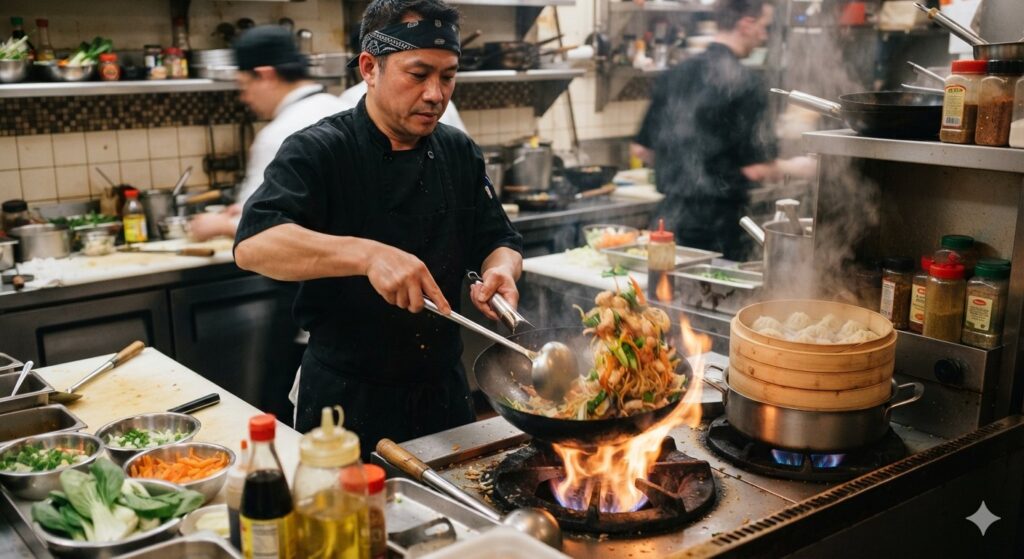
Stir-frying is a quick method often used for vegetables, noodles, rice, and meat. Steaming is commonly used for dumplings, fish, vegetables, and rice-based dishes. Braising slowly cooks ingredients in flavorful liquids, creating tender and rich dishes.
Other common techniques include grilling, roasting, simmering, deep-frying, fermenting, and pickling. Each method adds a different texture and flavor to food.
Learning these basic techniques can help beginners understand how Asian dishes are prepared and make it easier to recreate their favorite foods at home.
Asian Food for Beginners
If you are new to Asian food, start with familiar ingredients and simple flavors. You don’t need to try everything at once. Exploring one cuisine at a time can make the experience easier and more enjoyable.
Rice dishes, noodles, dumplings, soups, and stir-fries are good starting points because they come in many different flavors. If you prefer mild food, choose dishes with lighter seasoning. If you enjoy bold flavors, try spicy curries, flavorful noodles, or dishes with chili and aromatic spices.
When cooking at home, begin with a few basic ingredients such as soy sauce, rice, noodles, ginger, garlic, and sesame oil. As you become more comfortable, you can explore new spices, sauces, and cooking techniques.
Asian Food in the United States
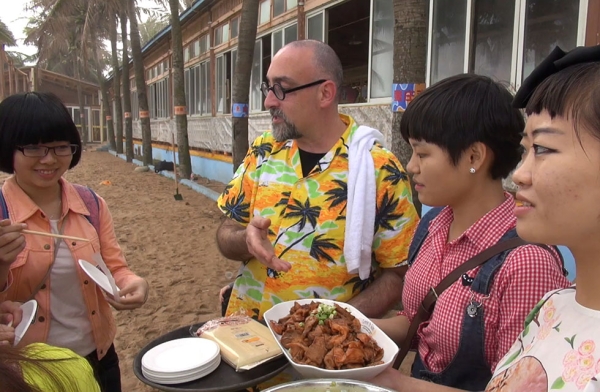
Asian food has become a popular part of the American food scene. Restaurants, food markets, and home kitchens across the country offer dishes inspired by many Asian cuisines.
Chinese, Japanese, Korean, Thai, Vietnamese, and Indian foods are especially familiar to many Americans. Popular dishes such as fried rice, sushi, ramen, pad Thai, pho, curry, and dumplings can now be found in many U.S. cities.
At the same time, Asian food in America can sometimes be adapted to local tastes. Some dishes may use different ingredients, flavors, or preparation methods than their traditional versions.
Exploring both traditional and American-style Asian dishes can help you understand how these cuisines have grown and evolved in the United States.
Asian Food Culture and Traditions
Food is an important part of Asian culture and everyday life. In many Asian countries, meals are a way for families and communities to spend time together and share traditions.
Many meals are served family-style, with several dishes placed in the center for everyone to share. Food also plays an important role during festivals, celebrations, weddings, and other special occasions.
Tea, street food, traditional markets, and regional cooking methods are also closely connected with Asian food culture. In some communities, food traditions are passed from one generation to the next through family recipes and cooking practices.
Exploring the culture behind a dish can make Asian food more meaningful. It helps you understand not only what people eat, but also why and how they eat it.
Asian Food vs. Asian Fusion
Asian food refers to traditional cuisines and cooking practices that developed in different parts of Asia. Asian fusion, on the other hand, combines Asian flavors or techniques with ideas from other cuisines.
For example, a fusion dish might combine Japanese ingredients with Mexican-style preparation or use Thai flavors in a Western-inspired dish. These creative combinations can introduce Asian flavors to people who may be trying them for the first time.
Traditional Asian dishes are usually connected to a specific culture, region, and cooking tradition, while fusion food is more experimental. Both can be enjoyable, but understanding the difference helps you appreciate the history and identity behind traditional Asian cuisines.
Asian Food FAQs
Asian food covers many different cuisines, so it’s natural to have questions when you’re exploring it for the first time. Here are some common questions to help you understand Asian cuisine better.
What is considered Asian food?
Asian food includes the traditional cuisines of countries and regions across East, Southeast, South, Central, and West Asia.
What are the most popular Asian foods?
Sushi, ramen, fried rice, dumplings, pho, pad Thai, curry, biryani, and many other dishes are popular around the world.
What ingredients are common in Asian cooking?
Rice, noodles, soy sauce, ginger, garlic, chili, sesame oil, herbs, spices, and fermented ingredients are widely used.
Which Asian food is good for beginners?
Simple rice dishes, noodles, dumplings, stir-fries, and mild soups can be good starting points for people new to Asian cuisine.
Is all Asian food spicy?
No. Asian cuisines include many mild, fresh, savory, sweet, sour, and spicy dishes. The level of heat depends on the cuisine and individual dish.
Explore the Flavors of Asia
Asian food offers an incredible variety of flavors, ingredients, dishes, and traditions. From comforting noodles and rice dishes to fragrant curries, fresh herbs, dumplings, and flavorful soups, there is always something new to discover.
Whether you are curious about a particular cuisine, looking for a dish to try, or learning to cook Asian food at home, exploring different regions is a great way to experience this diversity.
Start with the cuisine that interests you most, discover its popular dishes and ingredients, and gradually explore the many flavors that make Asian food so special.
Quick Guide to Asian Cuisines
Asian cuisine includes many regional traditions, each with its own flavors and ingredients. Here’s a simple overview:
- Chinese Food: Known for stir-fries, noodles, dumplings, rice dishes, and regional sauces.
- Japanese Food: Often features rice, seafood, noodles, miso, and delicate umami flavors.
- Korean Food: Popular for fermented foods, grilled dishes, rice, noodles, and bold flavors.
- Thai Food: Famous for balancing spicy, sweet, sour, and savory flavors.
- Vietnamese Food: Uses fresh herbs, rice noodles, vegetables, and flavorful broths.
- Indian Food: Known for aromatic spices, curries, rice dishes, breads, and diverse regional cooking.
- Pakistani Food: Features rich curries, grilled meats, rice dishes, breads, and aromatic spices.
- Indonesian Food: Combines rice, noodles, chilies, spices, coconut, and savory sauces.
Each cuisine has its own story, so exploring them one by one is the best way to discover the diversity of Asian food.
Asian Food by Dish Type
Asian cuisine includes many kinds of dishes, from quick noodles to slow-cooked curries. Looking at food by dish type makes it easier to discover something you may enjoy.
Rice Dishes
Rice is a staple across many Asian cuisines. Popular examples include fried rice, biryani, nasi goreng, and sushi rice dishes.
Noodle Dishes
Noodles appear in many forms and flavors. Ramen, pho, pad Thai, chow mein, udon, and soba are well-known examples.
Soups
Asian soups range from light broths to rich and spicy bowls. Miso soup, pho, tom yum, and laksa are popular choices.
Dumplings
Dumplings are prepared in many shapes and styles. Jiaozi, gyoza, momo, and siomai are some popular examples.
Curries
Curries are especially popular in South and Southeast Asia. They can be creamy, spicy, aromatic, or mild, depending on the ingredients and region.
Street Food
Street food is an important part of Asian food culture. Satay, spring rolls, banh mi, takoyaki, and samosas are popular examples enjoyed in different regions.
Why Is Asian Food So Diverse?
Asian food is incredibly diverse because the continent includes many countries, cultures, climates, and food traditions. Each region has developed its own way of growing, preparing, and enjoying food.
Geography plays an important role. Coastal areas often use seafood, while regions with fertile farmland may rely heavily on rice, vegetables, and grains. Local spices, herbs, and other ingredients also shape the flavors of each cuisine.
Culture and history have influenced Asian food as well. Trade, migration, religion, and neighboring cultures have introduced new ingredients and cooking techniques over time.
This is why two Asian cuisines can use some of the same ingredients but create completely different dishes. Exploring these differences is what makes Asian food so interesting.
Asian Food and Healthy Eating
Asian cuisines include a wide range of foods, so there is no single way to describe them as healthy or unhealthy. Many traditional dishes include vegetables, rice, seafood, lean proteins, legumes, herbs, and spices, offering plenty of variety.
Cooking methods also make a difference. Steaming, grilling, simmering, and stir-frying are common ways to prepare food. Some dishes, however, may contain more salt, sugar, oil, or rich sauces.
For a balanced meal, you can combine vegetables with a protein source and a suitable portion of rice or noodles. The key is to look at the ingredients and overall meal rather than judging an entire cuisine by one dish.
How to Start Exploring Asian Food
Exploring Asian food doesn’t have to be complicated. Start with a cuisine that interests you and try a few well-known dishes. This can help you become familiar with new flavors and ingredients.
If you enjoy mild and delicate flavors, Japanese dishes such as sushi, udon, or miso soup can be a good place to begin. For bold and spicy flavors, Thai or South Asian dishes offer plenty of variety. If you prefer savory and comforting meals, Chinese noodles, dumplings, or Korean rice dishes are worth exploring.
You can also try cooking a simple Asian-inspired meal at home. Begin with a few basic ingredients, follow a reliable recipe, and gradually experiment with new flavors and techniques.
Asian Food at Home
Cooking Asian food at home can be a simple and enjoyable way to explore new flavors. You don’t need a large collection of ingredients to get started. A few basics such as rice, noodles, soy sauce, ginger, garlic, sesame oil, and common spices can be useful for many dishes.
Start with simple recipes such as fried rice, stir-fried noodles, dumplings, curry, or a flavorful soup. As you become more comfortable, you can try different sauces, spices, herbs, and cooking techniques.
The best part of cooking at home is that you can learn at your own pace. Try one cuisine at a time, understand its ingredients, and gradually discover the flavors and traditions behind each dish.
Popular Asian Food to Try
If you are exploring Asian cuisine for the first time, there are many classic dishes worth trying. Each one offers a different combination of flavors, ingredients, and cooking styles.
Sushi from Japan is known for seasoned rice and a variety of fillings. Ramen offers comforting noodles served in flavorful broth. From China, dumplings and fried rice are easy favorites with many variations.
In Southeast Asia, pad Thai, pho, and nasi goreng are popular choices, combining noodles or rice with flavorful sauces, herbs, vegetables, and other ingredients. South Asian cuisine offers dishes such as biryani, butter chicken, dal, and samosas, known for their aromatic spices and rich flavors.
Trying different dishes is a simple way to discover which Asian cuisines and flavors you enjoy most.
Asian Street Food
Street food is an important part of Asian food culture, offering quick, flavorful dishes that are often prepared fresh and served on busy streets, markets, and food stalls.
Popular examples include satay from Indonesia, banh mi from Vietnam, takoyaki from Japan, dumplings from China, and samosas from South Asia. Each dish reflects the local ingredients, cooking methods, and food traditions of its region.
Street food is also a great way to discover everyday Asian flavors. From grilled foods and noodles to snacks and desserts, the variety is almost endless.
Asian Desserts
Asian cuisine is not only about savory meals. It also offers a wide variety of sweet dishes, from light fruit-based treats to rich cakes, pastries, and rice desserts.
Mochi from Japan is a soft rice-based sweet available in many flavors. Mango sticky rice from Thailand combines sweet mango with sticky rice and coconut milk. Other popular desserts include gulab jamun from South Asia, halo-halo from the Philippines, and sesame balls from China.
Many Asian desserts use ingredients such as rice, coconut, beans, fruits, sesame, tea, and spices. Their different textures and flavors make them an interesting part of Asian food culture.
Asian Breakfast Foods
Breakfast traditions across Asia are just as diverse as lunch and dinner. Many Asian breakfasts focus on warm, filling, and flavorful foods made with simple local ingredients.
Popular choices include congee from China, miso soup and rice from Japan, savory pancakes from Korea, pho from Vietnam, and paratha with eggs from South Asia. Some regions also enjoy noodles, dumplings, steamed buns, fresh fruit, or rice-based dishes in the morning.
Unlike a typical Western breakfast, many Asian breakfast dishes are savory rather than sweet. Exploring these morning meals gives you another way to discover the everyday food traditions of different Asian cultures.
Asian Drinks
Asian food culture also includes a wide range of traditional and refreshing drinks. Many are made with tea, fruits, herbs, grains, or other local ingredients.
Green tea from Japan, milk tea from Taiwan, Thai tea, lassi from South Asia, and Vietnamese iced coffee are popular examples. Some drinks are served hot, while others are enjoyed chilled with ice.
Tea has a particularly important place in many Asian cultures and is often enjoyed with meals or during social gatherings. Exploring traditional drinks alongside Asian dishes can give you a fuller taste of each region’s food culture.
Asian Food Festivals and Celebrations
Food is an important part of many Asian festivals and celebrations. Special dishes are often prepared to bring families and communities together.
For example, dumplings are commonly associated with Lunar New Year celebrations, while mooncakes are enjoyed during the Mid-Autumn Festival. In South Asia, foods such as biryani, sweets, and festive breads are often prepared for special occasions.
These traditions show how food can represent family, celebration, history, and culture. Exploring festival foods is a great way to understand the stories and traditions behind Asian cuisine.
Asian Food Etiquette and Dining Traditions
Food etiquette varies across Asia, with each culture having its own dining customs and traditions. Understanding these practices can make your experience with Asian food more meaningful.
In many countries, sharing food is an important part of dining. Several dishes may be placed in the center of the table so everyone can enjoy a variety of flavors. Chopsticks are commonly used in East and Southeast Asia, while hands, spoons, forks, and other utensils are used differently across regions.
Dining traditions can also include how food is served, how guests are welcomed, and how meals are shared with family. These customs reflect the importance of respect, hospitality, and togetherness in many Asian food cultures.
Asian Food Shopping Guide
Cooking Asian food at home becomes easier when you know which ingredients to look for. Many basic ingredients are now easy to find in large supermarkets, Asian grocery stores, and online shops in the United States.
Start with versatile ingredients such as rice, noodles, soy sauce, sesame oil, rice vinegar, ginger, garlic, and chili. As you explore different cuisines, you can add ingredients such as miso, fish sauce, coconut milk, curry spices, and fresh herbs.
When buying unfamiliar ingredients, check the label and learn how they are commonly used. Choosing a few useful staples first can help you build an Asian-inspired pantry without buying everything at once.
Asian Food Substitutions
Sometimes you may not have every traditional ingredient needed for an Asian recipe. Simple substitutions can help you prepare a dish while keeping its main flavors and character.
For example, tamari or a suitable soy sauce alternative may work when a recipe calls for soy sauce, while lemon or lime juice can add acidity when rice vinegar is unavailable. Fresh ginger and garlic can also provide the aromatic base found in many Asian dishes.
However, substitutions can change the taste, texture, or authenticity of a dish. For traditional recipes, try to use the original ingredients when possible. For everyday home cooking, thoughtful substitutions can make Asian recipes more accessible and easier to prepare.
Asian Food Around the World
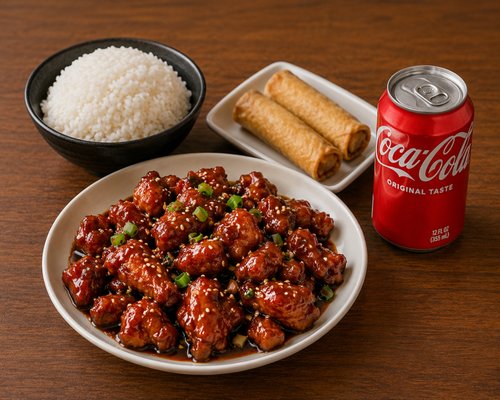
Asian food has traveled far beyond its countries of origin and has become part of food culture around the world. Dishes such as sushi, ramen, curry, dumplings, pho, and fried rice are now familiar to diners in many countries.
As Asian cuisines have spread, some dishes have been adapted to local ingredients and tastes. This has created new variations while traditional recipes continue to be enjoyed and preserved.
Exploring Asian food around the world is a great way to see how food, culture, and communities connect. It also gives you a chance to discover both traditional dishes and creative modern interpretations.
Asian Food and Family Traditions
For many Asian communities, food is closely connected to family and everyday life. Recipes and cooking skills are often passed from parents and grandparents to younger generations.
Family meals can bring people together around a shared table, with several dishes prepared for everyone to enjoy. Traditional recipes may also be prepared during holidays, celebrations, and important family occasions.
These traditions make Asian food more than just something to eat. Recipes, ingredients, and cooking methods can carry memories and connect people with their culture and heritage.
Asian Food for Different Occasions
Asian food can fit almost any occasion, from a quick weekday meal to a family gathering or festive celebration. Different dishes are chosen based on the time, season, and traditions of each region.
For a quick meal, noodles, fried rice, stir-fries, and simple soups are convenient choices. For family gatherings, dishes such as dumplings, biryani, curries, grilled meats, and shared rice dishes can bring everyone together.
During festivals and celebrations, special sweets, rice dishes, and traditional foods often take center stage. This variety makes Asian cuisine easy to explore, whether you’re cooking for yourself, sharing a meal with family, or celebrating a special occasion.
Asian Food for Every Season
Asian cuisines make use of seasonal ingredients and traditional foods throughout the year. Fresh vegetables, fruits, herbs, seafood, and spices can change with the seasons, creating different dishes and flavors.
In summer, lighter meals such as fresh rolls, salads, cold noodles, and fruit-based dishes can be refreshing. During colder months, warm soups, hot pots, curries, and noodle dishes are popular in many regions.
Seasonal cooking also helps connect food with local traditions and available ingredients. Exploring Asian food by season can make your meals more varied while helping you discover new dishes throughout the year.
Asian Food and Local Ingredients
Local ingredients play a major role in shaping Asian cuisines. Different regions use what grows or is commonly available nearby, which helps create their unique flavors and cooking styles.
For example, coconut and tropical herbs are common in many Southeast Asian dishes, while rice, soy products, and seafood are widely used in East Asia. South Asian cuisines often feature a rich variety of spices, lentils, grains, and vegetables.
Using local ingredients also shows how closely Asian food is connected to geography and daily life. The same basic ingredient can be prepared in completely different ways depending on the region and its culinary traditions.
Asian Food and Traditional Cooking
Traditional cooking methods are an important part of Asian food culture. Many recipes have been passed down through generations, with techniques changing from one region to another.
Steaming, stir-frying, grilling, braising, roasting, and slow cooking are widely used across Asian cuisines. These methods can bring out the natural flavors of ingredients while creating different textures.
Traditional cooking is also about more than the method itself. The choice of ingredients, preparation style, and way a dish is served can reflect the history and culture of a region. Learning these traditions can help you better understand and appreciate authentic Asian food.
Asian Food and Regional Ingredients
Every region of Asia has ingredients that help define its local cuisine. These ingredients are shaped by the climate, farming traditions, trade, and foods that are naturally available in the area.
East Asian cuisines commonly use ingredients such as soybeans, rice, seafood, seaweed, and sesame. Southeast Asian cooking often features coconut, lemongrass, chili, lime, and fresh herbs. South Asian cuisines are known for using a wide variety of spices, lentils, rice, and grains.
Understanding regional ingredients makes it easier to recognize the character of different Asian cuisines and choose dishes that match your favorite flavors.
Asian Food and Modern Cooking
Asian cuisine continues to evolve as people experiment with new ingredients, cooking methods, and combinations of flavors. Traditional dishes are still widely enjoyed, while modern versions bring fresh ideas to familiar recipes.
Today, Asian-inspired meals can be found in home kitchens, restaurants, food markets, and fusion menus around the world. Popular dishes may be adjusted to suit local ingredients or personal tastes while keeping their main flavors.
This mix of tradition and creativity keeps Asian food exciting and gives people new ways to enjoy the cuisines of Asia.
Asian Food and Food Markets
Asian food markets are a great way to discover the ingredients, snacks, spices, and cooking traditions behind different cuisines. From fresh produce and herbs to noodles, sauces, and specialty ingredients, these markets offer a wide variety of foods.
In the United States, Asian grocery stores have also made many traditional ingredients easier to find. Shoppers can explore products from Chinese, Japanese, Korean, Thai, Vietnamese, Indian, and other Asian cuisines in one place.
Visiting an Asian food market can be a simple way to learn about new ingredients and find inspiration for cooking Asian dishes at home.
Asian Food and Global Influence
Asian food has influenced the way people eat around the world. Dishes such as sushi, ramen, curry, dumplings, pho, and fried rice have become popular far beyond their countries of origin.
As Asian cuisines spread, local cooks and restaurants sometimes adapted traditional dishes using local ingredients and tastes. This has led to new interpretations while traditional recipes continue to be enjoyed.
Today, Asian food is a major part of the global food scene. Its variety, bold flavors, and rich culinary traditions continue to introduce people to new and exciting ways of eating.
Asian Food: Traditional vs. Modern Dishes
Asian cuisine continues to balance tradition with modern ideas. Traditional dishes often follow recipes, ingredients, and cooking methods that have been passed down through generations. Modern versions may introduce new ingredients or adapt a dish to different tastes.
For example, a traditional noodle dish might be prepared according to regional customs, while a modern version may use different vegetables or sauces. These changes can make Asian food more accessible while still keeping its basic character.
Both traditional and modern dishes have a place in today’s food culture. Exploring both can help you appreciate how Asian cuisine continues to grow while staying connected to its roots.
Asian Food: A Journey of Discovery
Asian food offers something for everyone, whether you enjoy spicy curries, comforting noodles, fresh herbs, flavorful rice dishes, or delicate desserts. Its wide variety makes every region different and worth exploring.
From traditional family recipes to modern Asian-inspired dishes, food continues to connect people with cultures and communities around the world. By trying different cuisines, learning about their ingredients, and understanding their traditions, you can discover new flavors while appreciating the stories behind them.
Asian Food Glossary
Asian cuisine includes many ingredients, dishes, and cooking terms that may be unfamiliar to beginners. A simple glossary can make it easier to understand recipes and explore different cuisines.
- Umami: A deep, savory taste commonly found in foods such as miso, soy sauce, and mushrooms.
- Miso: A fermented soybean paste commonly used in Japanese cooking.
- Soba: Thin Japanese noodles traditionally made from buckwheat.
- Udon: Thick, chewy Japanese wheat noodles.
- Pho: A Vietnamese noodle soup traditionally served with flavorful broth and herbs.
- Biryani: A fragrant rice dish prepared with spices and other ingredients, popular across South Asia.
- Dim Sum: A variety of small dishes traditionally served with tea, especially in Chinese cuisine.
- Stir-fry: A cooking method where ingredients are quickly cooked over high heat while being stirred.
Conclusion: Explore the Flavors of Asia
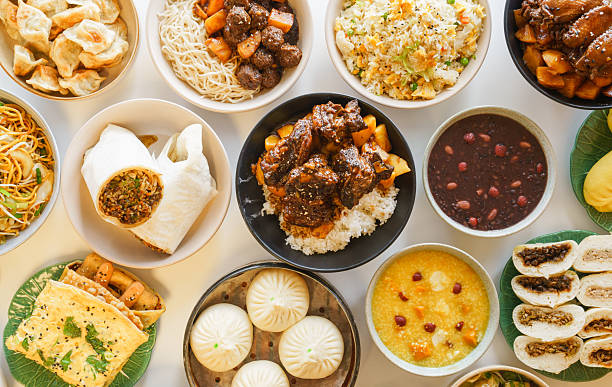
Asian food brings together a rich mix of flavors, ingredients, cooking styles, and traditions. From East Asian noodles and dumplings to Southeast Asian curries and South Asian rice dishes, every region has something unique to discover.
Whether you’re trying Asian food for the first time or looking for new dishes to cook at home, learning about different cuisines can make every meal more interesting.