Durable outdoor shoes are more than just footwear. They protect your feet, support your steps, and help you move confidently on any surface. Whether you hike on rocky trails, walk through forests, or explore uneven city paths, the right pair of shoes can make every journey easier and safer. That is why choosing long-lasting shoes matters. They save money, prevent discomfort, and stay reliable in different weather conditions.
Today, outdoor shoe brands use stronger materials, better construction, and advanced technologies to increase durability. Features like reinforced toe caps, abrasion-resistant uppers, and high-traction outsoles help shoes survive rough use. Waterproof membranes also add protection when the weather changes. But with so many options available, it can be difficult to understand which pair is truly worth buying.
In this guide, you will learn what makes outdoor shoes durable, how to judge their quality, and how to choose a pair that matches your activity and environment. The goal is to make your decision simple, clear, and confident. This introduction sets the stage for a complete, user-friendly, and SEO-optimized article that supports both readers and Google AdSense requirements.
What Durable Outdoor Shoes Actually Mean
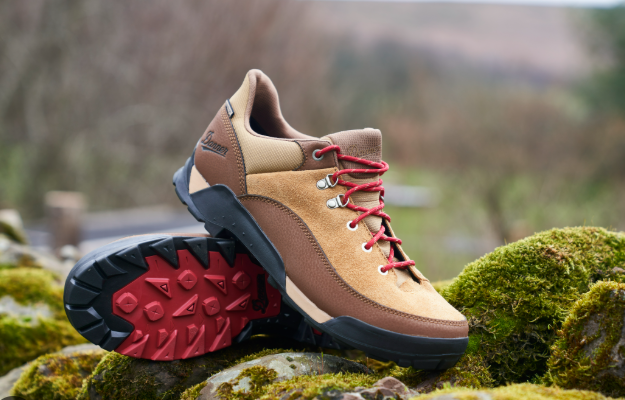
Durable outdoor shoes are designed to handle tough conditions without breaking down. They stay strong on rough trails, rocky surfaces, and uneven ground. When experts talk about durability, they focus on how well a shoe resists wear and tear over time. Factors like abrasion-resistant uppers, reinforced stitching, and long-lasting outsoles make a big difference. High-quality materials such as full-grain leather, synthetic mesh with overlays, and protective toe caps help the shoe stay stable and safe in different environments.
Durability also depends on how the shoe performs during long hours of walking or hiking. A strong outsole with deep lugs provides grip on wet and dry surfaces. Vibram outsoles and similar high-traction rubber compounds are known for lasting longer than basic rubber soles. They maintain grip even after months of use. The midsole also plays an important role. EVA and PU foams keep the shoe comfortable while resisting compression over time. Features like rock plates and TPU shanks protect your feet from sharp stones and increase the shoe’s lifespan.
Waterproof membranes such as Gore-Tex or other breathable liners add another layer of durability. They keep your feet dry in rain and mud, which prevents the upper material from getting damaged quickly. These technologies make outdoor shoes strong, dependable, and suitable for all-weather use. Understanding these elements helps you choose footwear that delivers long-term value and performs well in real outdoor conditions.
Key Construction Features That Increase Shoe Durability
Durable outdoor shoes stay strong because of the materials and construction used in every part of the design. The upper, midsole, and outsole each play an important role in how long the shoe will last. When these components are made with high-quality materials, you get better protection, comfort, and lifespan. Brands like Merrell, Salomon, Keen, Oboz, and Columbia use advanced designs to create shoes that hold up well on rocky trails, dusty paths, and wet ground.
Uppers: Leather, Synthetic, and Reinforced Mesh
The upper material decides how well the shoe resists scratches, tears, and harsh weather. Full-grain leather is known for long-term durability and strong support. Synthetic uppers and breathable mesh designs last longer when paired with overlays and protective toe caps. Double stitching, abrasion-resistant panels, and a gusseted tongue also add strength. These details help prevent the shoe from wearing out early, especially on rocky terrain.
Outsoles: High-Traction Rubber and Deep Lugs
The outsole is the part that takes the most impact, so it must be built to last. Vibram outsoles and other high-traction rubber compounds offer excellent durability. Deep lugs improve grip on mud, sand, and wet surfaces. A harder rubber compound gives longer life, while a softer compound increases traction. A well-designed tread pattern makes outdoor shoes more stable and reduces early wear.
Midsoles and Underfoot Protection
A durable midsole keeps the shoe supportive through long use. EVA foam offers lightweight cushioning, while PU foam lasts longer and resists compression. Rock plates and TPU shanks add extra protection against sharp rocks and uneven ground. These features make the shoe comfortable and protect your feet during long walks or hikes.
Waterproofing and Breathable Membranes
Waterproof membranes like Gore-Tex help shoes survive tough weather. They keep water out while allowing heat to escape. This keeps the material healthy and prevents early damage caused by moisture. Shoes with waterproof liners stay reliable in rain, snow, and muddy trails.
These construction features work together to create durable outdoor shoes that stay strong, supportive, and comfortable for a long time.
How to Choose Durable Outdoor Shoes for Different Activities
Choosing the right durable outdoor shoes depends on where you walk, how often you explore, and what level of support you need. Different activities require different features, so it’s important to match your shoes with your terrain and purpose. When you understand your activity type, you can pick footwear that lasts longer, feels comfortable, and performs well under pressure.
For Day Hiking and Light Trails
If you enjoy short hikes or easy forest walks, look for lightweight hiking shoes with abrasion-resistant uppers and a reinforced toe cap. Synthetic materials with protective overlays offer enough durability without adding extra weight. A grippy rubber outsole with medium lug depth provides good traction on dirt paths, grass, and packed trails. Brands like Merrell and Keen offer strong options in this category.
For Heavy Backpacking and Long Treks
For long hikes with heavy backpacks, you need stronger and more supportive shoes. Full-grain leather boots or mid-cut hiking shoes are ideal because they provide ankle support, a stiff midsole, and long-lasting construction. Vibram outsoles, PU midsoles, and deep lugs improve durability on rocky and uneven surfaces. These shoes perform well on multi-day trips and survive tough use in challenging environments.
For Scrambling and Technical Terrain
If your route includes rocks, steep climbs, or sharp surfaces, approach shoes or technical trail shoes work best. They come with sticky rubber outsoles for better grip, reinforced toe protection, and strong sidewalls to handle rough edges. These shoes stay durable even on hard and abrasive terrain, making them perfect for adventure lovers.
For Trail Running and Fast Hiking
Trail runners need durability without losing speed and comfort. Look for breathable mesh uppers with TPU overlays, cushioned midsoles, and rock plates for underfoot protection. A durable outsole with a multi-directional lug pattern offers both grip and long-term wear. Salomon, Hoka, and Altra make reliable options for fast hikers and trail runners who want lasting performance.
Choosing shoes based on your activity not only improves comfort but also increases the lifespan of your footwear. The right match keeps your feet safe and reduces the chances of early damage, making every outdoor experience smoother and more enjoyable.
Maintenance and Care to Extend Shoe Life
Proper care can greatly increase the lifespan of your durable outdoor shoes. Even the strongest materials need regular maintenance to stay in good condition. Simple habits like cleaning, drying, and storing your shoes correctly can prevent early wear and keep them performing well on every trail.
Start by cleaning your shoes after each outdoor trip. Dirt, mud, and sand can damage the upper material and reduce grip on the outsole. Use a soft brush and mild soap to remove dirt from the surface, mesh panels, and lugs. Avoid strong detergents because they can weaken the fabric and stitching. After cleaning, let your shoes air-dry naturally. Do not place them near direct heat, as high temperatures can damage the glue and cause the midsole to break down faster.
Waterproof shoes need extra care. Over time, the waterproof layer can lose its power, so reapply a DWR (durable water repellent) spray when you notice water no longer beads on the surface. Leather shoes may also need conditioning to keep the material soft and crack-free. Keeping them dry between uses helps prevent odor and improves durability.
Rotating your footwear is another smart tip. If you hike often, using two pairs allows each one to rest and recover, which increases overall lifespan. Store your shoes in a cool, dry place away from moisture and sunlight. These simple steps help your outdoor shoes stay comfortable, supportive, and long-lasting, giving you better value for your money.
Quick Durability Checklist Before Buying
A simple checklist makes it easier to judge whether outdoor shoes will last long or wear out quickly. Use these points when comparing different models or brands. This helps you make a confident choice and avoid shoes that fail early.
Reinforced Upper Material
Check if the upper is made from full-grain leather, synthetic overlays, or abrasion-resistant mesh. Strong materials protect against scratches and tears on rocky or rough terrain.
Protective Toe Cap
Look for a rubber or TPU toe cap. It guards the front of the shoe from impacts and helps the upper stay intact during long-term use.
Strong Outsole with Deep Lugs
Inspect the outsole for durable rubber compounds such as Vibram. Deep and multi-directional lugs improve grip and prevent early outsole wear.
Stable Midsole and Underfoot Support
Choose EVA or PU midsoles with rock plates or shanks if you hike on uneven ground. These features add support and protect your feet while increasing the shoe’s overall durability.
Quality Stitching and Construction
Double or reinforced stitching lasts longer than glued-only construction. Good stitching reduces the chance of seams splitting after repeated use.
Waterproof or Weather-Resistant Layer
If you hike in wet areas, check for Gore-Tex or similar waterproof membranes. They protect the shoe from moisture damage and increase longevity.
Brand Reliability and User Reviews
Reputable brands like Merrell, Salomon, Keen, and Oboz often use better materials. User reviews can show how the shoes perform after months of real use.
This checklist makes it easier to identify durable outdoor shoes and avoid common mistakes while shopping.
Common Myths and FAQs About Durable Outdoor Shoes
Understanding the truth behind common myths can help you make a smarter buying decision. Many people believe things about outdoor shoes that are not always accurate. Here are simple explanations to clear common doubts and guide you toward the right choice.
Are waterproof shoes always more durable?
Not always. Waterproof shoes with Gore-Tex or similar membranes protect your feet from rain and mud, but they may not be as breathable. Their durability depends on overall construction, upper material, and outsole strength. A waterproof shoe can last long, but a non-waterproof shoe with stronger materials can be equally durable.
Is leather always better than synthetic materials?
Leather is tough and long-lasting, but modern synthetic uppers with TPU overlays and reinforced mesh can also offer excellent durability. Synthetic materials dry faster, resist scratches, and work well for light to moderate trails. Leather is better for heavy use, but synthetics are great for comfort and daily outdoor wear.
Do heavier shoes last longer?
Weight does not always mean strength. Many light hiking shoes use advanced fabrics and durable outsoles that perform just as well as heavier boots. What matters most is the quality of the outsole, stitching, and upper reinforcement, not just the weight.
Can outdoor shoes be resoled?
Some hiking boots with stitched or welted construction can be resoled, especially leather models. However, many modern trail shoes and lightweight hikers cannot be resoled because they use glued construction. Always check the brand’s guidelines if you want long-term repair options.
How long should durable outdoor shoes last?
It depends on how often and where you use them. On average, well-built outdoor shoes last between 500 to 1,000 miles of use. Shoes with Vibram outsoles, PU midsoles, and reinforced uppers tend to last longer than basic budget models.
Conclusion
Durable outdoor shoes are an essential investment for anyone who spends time on trails, rocky terrain, or uneven surfaces. Choosing the right pair means looking beyond style and focusing on materials, construction, and features like reinforced uppers, protective toe caps, durable outsoles, and supportive midsoles. Waterproof membranes and high-quality stitching add extra protection and longevity.
By understanding your activity type—whether it’s day hiking, heavy trekking, trail running, or technical scrambling—you can select shoes that stay reliable for years. Regular maintenance, cleaning, and proper storage further extend their lifespan. With the right pair, you can enjoy safer, more comfortable adventures while getting excellent long-term value from your footwear. Durable outdoor shoes are not just about lasting longer; they are about performing better every step of the way.