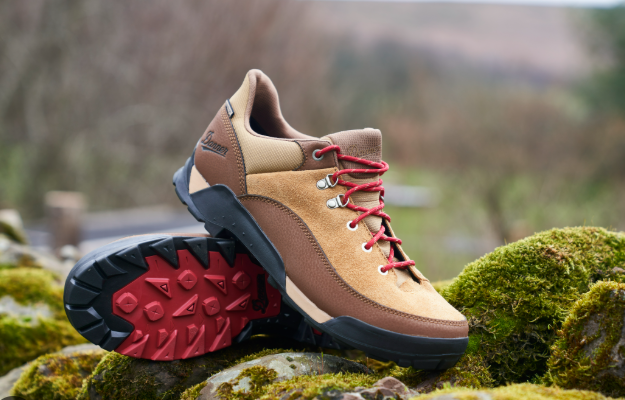

Barefoot winter boot are becoming a popular choice for people who want comfort, warmth, and natural movement during cold weather. Unlike traditional winter boots, these boots are designed to let your feet move in a more natural way. They come with a flat sole, a wide toe box, and a flexible design. This helps your feet stay active instead of stiff. Many people now prefer barefoot winter boots for daily wear, walking, and light outdoor use in winter.
One common belief is that barefoot winter boots are not warm enough. In reality, good barefoot winter boots focus on insulation, breathability, and proper circulation. When your feet can move freely, blood flow improves and helps keep them warm. These boots use materials that protect against cold, moisture, and light snow without adding heavy layers. This balance makes them comfortable for long hours of wear.
Barefoot winter boots are also known for supporting foot health. They reduce pressure on toes and allow better balance on winter surfaces. Their lightweight design makes walking feel easier and more natural. In this article, you will learn what barefoot winter boots are, how they work in cold weather, and why they are a smart choice for winter comfort and everyday use.
What Makes Barefoot Winter Boots Different
Barefoot winter boot are different from traditional winter footwear because they are designed to support natural foot movement. One key feature is the zero-drop sole. This means there is no height difference between the heel and the front of the foot. This design helps improve balance and keeps your walking posture natural, even on cold and uneven surfaces.
Another important feature is the wide toe box. Unlike narrow winter boots, barefoot winter boots give your toes enough space to spread naturally. This improves comfort and helps with better blood circulation in cold weather. Good circulation plays an important role in keeping feet warm during winter. It also reduces pressure on the toes, making these boots suitable for long walks and daily use.
Barefoot winter boot also use a flexible sole instead of a stiff and heavy base. The flexible sole allows better ground feel and improves proprioception, which helps you sense the surface while walking. Many models also include winter traction patterns that provide grip on snow and slippery roads. Combined with lightweight insulation and breathable materials, these features make barefoot winter boots a practical and comfortable option for cold weather without limiting foot movement.
Key Features of Barefoot Winter Boots
Barefoot winter boot are designed with features that balance warmth, comfort, and natural movement. One of the most important features is the zero-drop sole. This flat sole keeps your heel and forefoot at the same level. It supports natural posture and reduces stress on joints while walking on winter surfaces.
A wide toe box is another essential feature. It allows toes to spread freely instead of being squeezed together. This improves stability and supports healthy foot alignment. In cold weather, better toe movement also helps improve blood flow, which keeps feet warmer for a longer time. Many people choose barefoot winter boots for this comfort during daily winter use.
Flexibility is also a key part of barefoot winter footwear. The flexible sole moves with your foot and improves balance on snow and light ice. These boots often use lightweight insulation and breathable materials to protect feet from cold and moisture. Some models also offer water-resistant or waterproof layers for wet winter conditions. Together, these features make barefoot winter boots a smart choice for comfort, traction, and foot health in winter.
Benefits of Wearing Barefoot Winter Boots
Barefoot winter boots offer several benefits that make them a strong alternative to traditional winter footwear. One major benefit is improved foot health. The natural design allows foot muscles to stay active instead of becoming weak. This helps improve balance, posture, and overall walking comfort during winter.
Another benefit is better circulation in cold weather. The wide toe box and flexible sole allow natural movement, which supports blood flow. Good circulation helps keep feet warm without the need for heavy or bulky insulation. Many people find that their feet feel warmer in barefoot winter boots compared to stiff winter boots that restrict movement.
Barefoot winter boots are also lightweight and comfortable for everyday use. They reduce foot fatigue and make walking feel easier, even during long winter days. Their natural design helps you stay stable on winter surfaces and improves ground awareness. These benefits make barefoot winter boots suitable for daily wear, light hiking, and casual outdoor activities in cold conditions.
Are Barefoot Winter Boots Warm Enough?
Many people wonder if barefoot winter boots can really keep feet warm in cold weather. The answer depends on the design and materials used. Quality barefoot winter boots focus on insulation without restricting movement. When feet move naturally, blood circulation improves and helps maintain warmth. This natural heat retention often works better than thick and heavy soles.
Barefoot winter boots usually use breathable insulation materials such as wool linings, thermal layers, or insulated fabrics. These materials trap heat while allowing moisture to escape. Dry feet stay warmer for longer periods. Some models also include water-resistant or waterproof layers that protect feet from snow, slush, and winter rain.
Warmth also depends on how barefoot winter boots are worn. Choosing the right size allows space for warm socks without squeezing the toes. Using thermal socks and removable insoles can increase comfort in colder conditions. When selected properly, barefoot winter boots can provide enough warmth for everyday winter activities and mild to moderate cold weather.
How to Choose the Right Barefoot Winter Boots
Choosing the right barefoot winter boots depends on your winter needs and daily activities. First, consider where you will use them most. For city walking and daily wear, lightweight boots with basic insulation and good traction are usually enough. For outdoor walks or snowy areas, look for barefoot winter boots with stronger grip and water resistance.
Fit is very important when buying barefoot winter boots. Always choose a pair with a wide toe box that allows your toes to move freely. There should be enough space to wear warm socks without feeling tight. The boots should feel comfortable from the first wear, without pressure on the toes or heel.
Material quality also matters. Look for breathable insulation, flexible soles, and durable outer materials. Waterproof or water-resistant designs are helpful for wet winter conditions. Pay attention to sole flexibility and traction patterns, as they improve stability on winter surfaces. By focusing on fit, materials, and use, you can choose barefoot winter boots that provide comfort, warmth, and natural movement throughout winter.
Potential Drawbacks of Barefoot Winter Boots
Barefoot winter boots offer many benefits, but they may not be suitable for everyone. One possible drawback is reduced insulation compared to traditional heavy winter boots. In extremely cold temperatures or deep snow, some barefoot winter boots may not provide enough warmth. They are generally better for mild to moderate winter conditions rather than extreme cold.
Another concern is traction on ice. While many barefoot winter boots have improved grip, they may not perform as well as aggressive snow boots on very slippery or icy surfaces. People who walk on frozen roads or steep icy areas should carefully check the sole design and tread pattern before buying.
There is also an adjustment period for new users. People who are used to thick soles and strong arch support may feel foot fatigue at first. This is normal as foot muscles start working more actively. Starting with short wear times helps the feet adapt. Understanding these limitations helps set realistic expectations when choosing barefoot winter boots.
Care and Maintenance of Barefoot Winter Boots
Proper care helps barefoot winter boots last longer and perform better in winter conditions. After each use, clean off dirt, salt, and snow using a soft cloth or brush. Winter salt can damage materials if left on the surface for too long. Let the boots dry naturally at room temperature and avoid direct heat, as it can damage insulation and flexible soles.
Water protection is also important for winter footwear. If your barefoot winter boots are water-resistant, applying a suitable waterproof spray can improve protection against moisture. For leather models, use a conditioner to keep the material soft and prevent cracking. This also helps maintain comfort and durability during long winter use.
Storing barefoot winter boots correctly keeps them in good shape. Store them in a dry and well-ventilated place. Avoid stacking heavy items on top of them, as this can affect their natural shape. With regular cleaning, proper drying, and correct storage, barefoot winter boots can stay comfortable, supportive, and ready for many winter seasons.
Top Barefoot Winter Boots of 2025
Choosing the best barefoot winter boots can be easier when you know which models offer the most comfort, warmth, and durability. One popular option is the Vivobarefoot Tracker FG, known for its flexible sole, wide toe box, and lightweight insulation. It provides good traction on snowy and wet surfaces, making it suitable for everyday winter use.
Another excellent choice is the Snowy by BarefootSole, designed specifically for cold weather. It combines breathable insulation with water-resistant materials to keep feet dry and warm. The flexible sole and natural design allow free movement and better circulation, making it ideal for long walks and outdoor activities.
Other recommended models include the Switchback and Gobi Winter boots, which offer strong traction and durable materials for winter conditions. These boots focus on supporting natural foot movement while providing warmth. When choosing the right barefoot winter boots, consider your typical winter activities, the level of insulation you need, and the fit to ensure comfort and foot health throughout the season.
Conclusion
Barefoot winter boots offer a unique combination of comfort, warmth, and natural foot movement. Unlike traditional heavy boots, they allow toes to spread, improve circulation, and keep foot muscles active. Their flexible soles, wide toe boxes, and lightweight insulation make them suitable for daily wear, light hiking, and walking in mild to moderate winter conditions.
While they may not replace heavy mountaineering boots in extreme cold or icy conditions, barefoot winter boots provide sufficient warmth and traction for most winter activities. Choosing the right pair involves considering fit, materials, insulation, and traction needs. With proper care and maintenance, barefoot winter boots can be a practical and healthy choice for winter, ensuring comfort, stability, and foot health throughout the season.